
Trading journal
The Weekly Trading Review: A 30-Minute Routine That Compounds
How to run a weekly trading review: the numbers to check, the questions to ask, and how to pick one change for next week. Includes a step-by-step routine.
A free trading journal template for daily, per-trade and weekly entries, with the exact questions to answer and how to adapt it for stocks, options and futures.
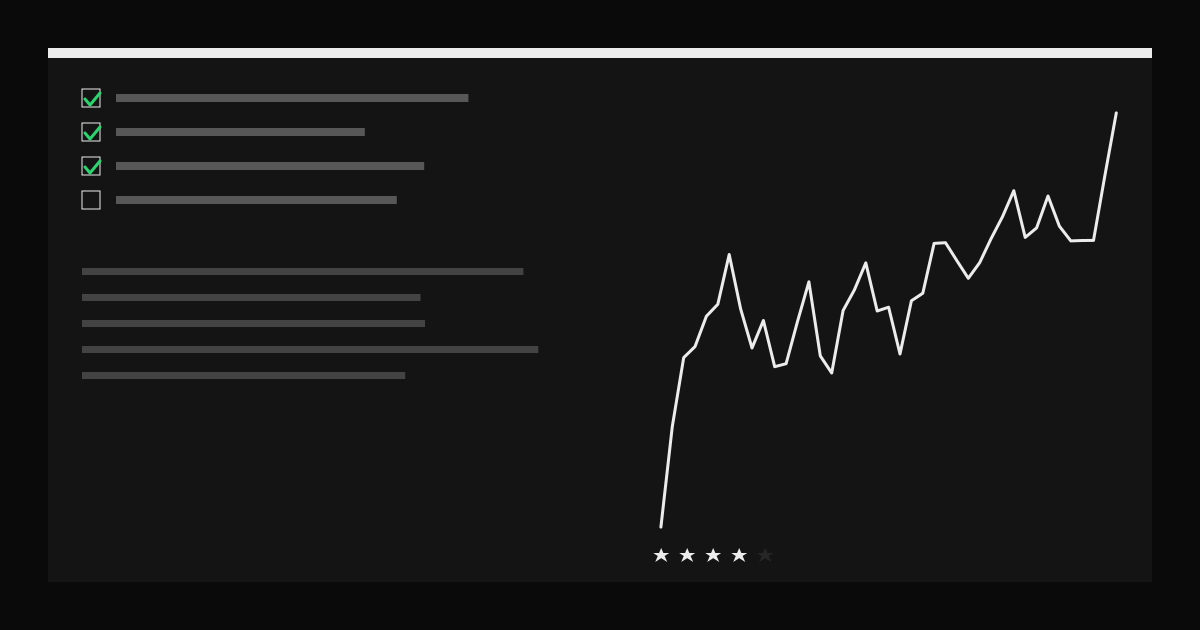
A template removes the hardest part of journaling: deciding what to write. Below is a layout in three parts that works for day traders and swing traders. Copy it, trim what you do not need, and use the same structure every day so your entries can be compared.
Fill this in before the market opens. It takes five minutes.
Keep this short. Most of it can be imported.
Symbol / side / size:
Setup:
Entry / stop / target:
Reason (one sentence):
Exit and why:
Result in $ and R:
Mistakes:
Rating (1-5, for execution):

Once a week, answer the same five questions:
The weekly trading review article explains each question in detail.
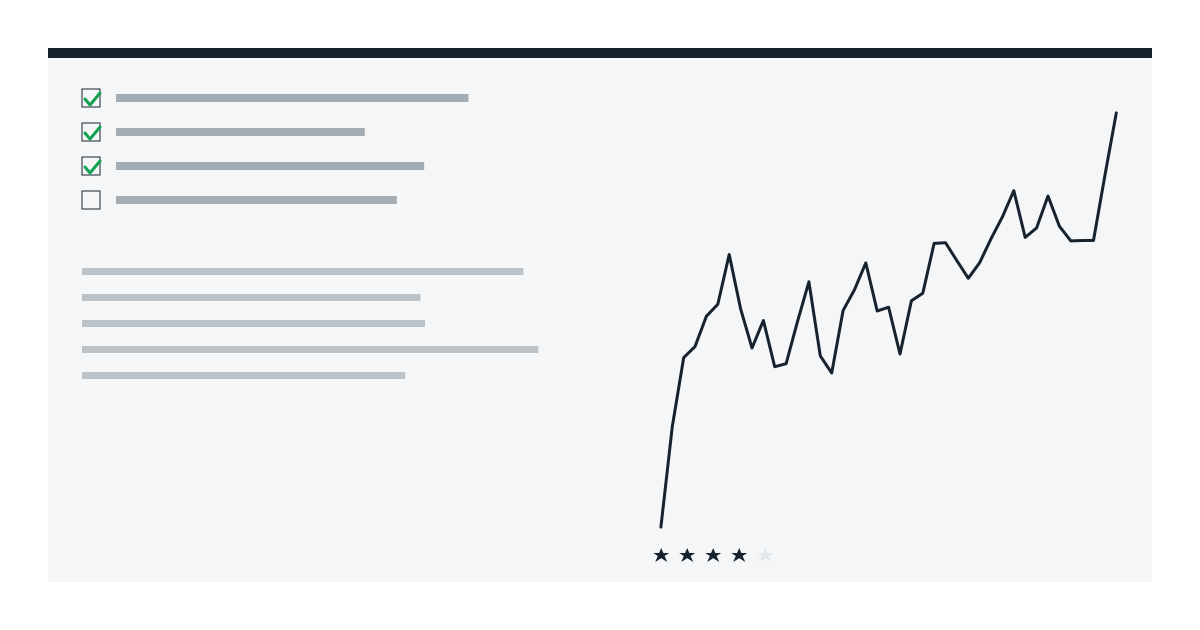
A spreadsheet works at first, but it gets painful once you want results by setup, hour or mood. The trade-offs are covered in trading journal vs spreadsheet. In TradeThink, the journal page already has this layout built in: a plan with a ready-made template, an editable pre-market checklist, mood before and after, whether you followed the plan, a lesson of the day, tags and a rating. The day's trades and P&L appear next to your notes.
How to run a weekly trading review: the numbers to check, the questions to ask, and how to pick one change for next week. Includes a step-by-step routine.
The pros and cons of tracking trades in Excel or Google Sheets versus a dedicated trading journal, and when it makes sense to switch.
A simple tagging system for your trading journal that makes it easy to see which setups make money and which mistakes cost the most.