Performance metrics
How Commissions and Fees Eat Into Your Trading Profits
How commissions, exchange fees, spreads and slippage add up, how to calculate their impact on your edge, and practical ways to keep trading costs under control.
How analyzing trade duration reveals hidden habits, why many traders hold losing trades longer than winners, and how to use holding time to improve exits.
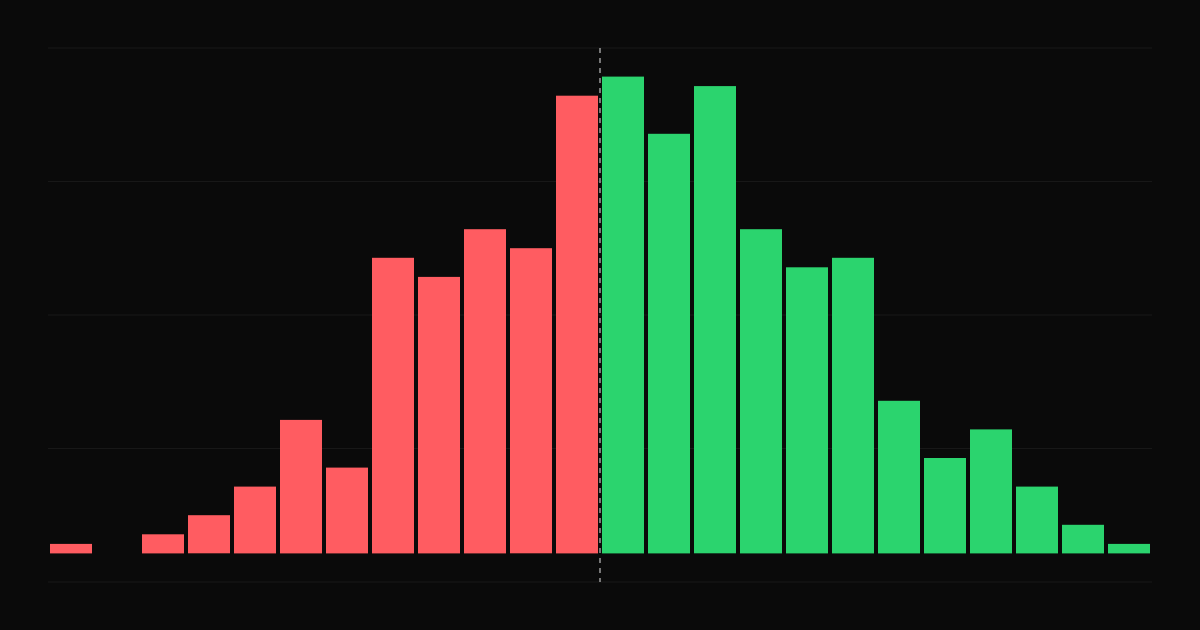
How long you stay in a trade says a lot about how you manage it. One of the most common patterns in trading journals is simple: losing trades are held much longer than winning ones. It is loss aversion showing up in the clock.
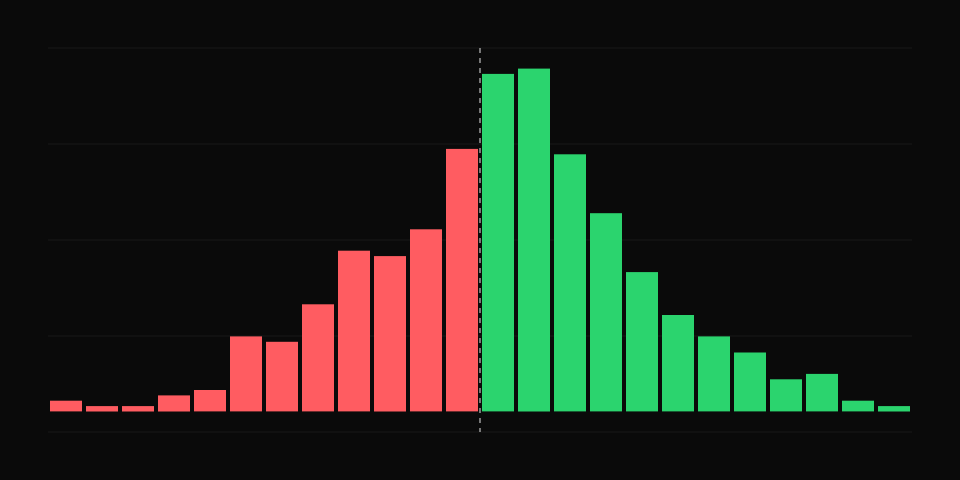
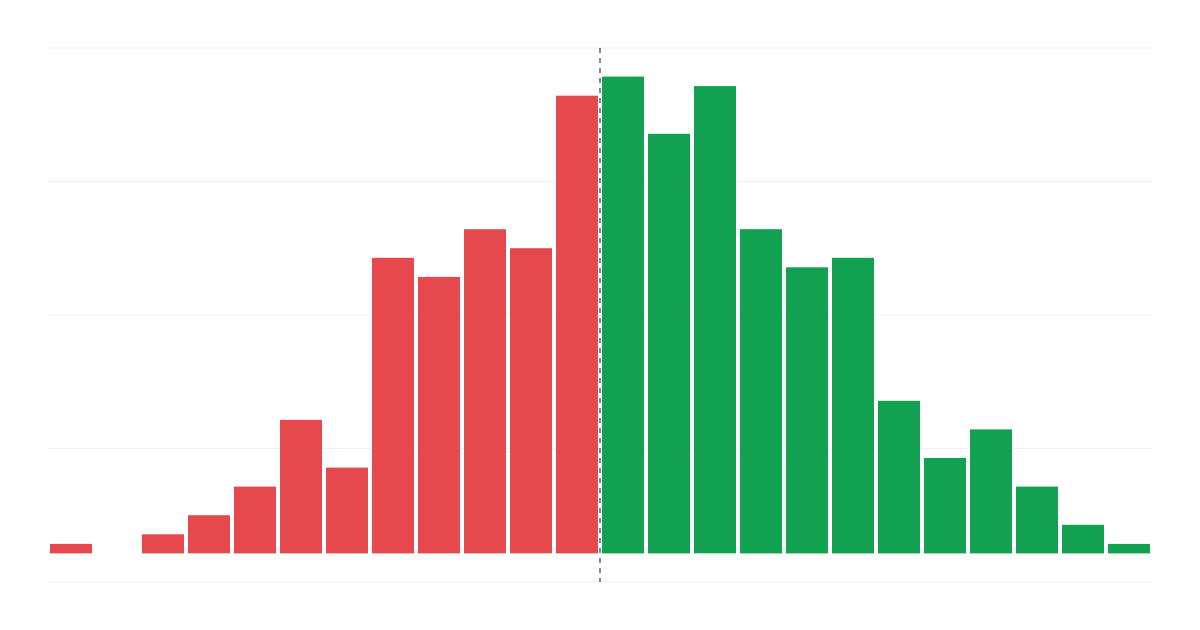
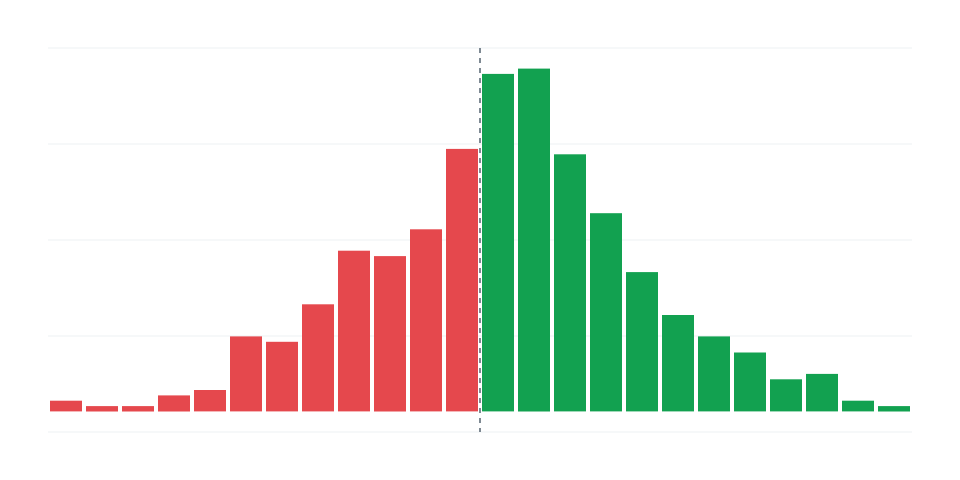
Losers held longer than winners. You exit winners quickly to lock in profit and hold losers hoping they come back. This usually comes with an average loss bigger than the average win. See average win vs average loss.
Very short trades lose money. Trades closed within a minute or two are often impulse entries or panic exits. Check their mistake tags.
Long trades lose money for day traders. A day trade that turns into an all-day hold is often a loser you did not want to close.
A sweet spot. Many traders find most of their profit comes from trades held within a particular range. That range fits their setups and timeframe.
Holding time interacts with time of day and setup. A breakout might work best held 20 to 60 minutes at the open, while a pullback trade may need longer. Combine this view with best trading hours and setup tags.
The reports include results by holding time next to weekday, entry hour and month, and every trade shows its duration. Filter to winners or losers to compare their average holding times directly.
How commissions, exchange fees, spreads and slippage add up, how to calculate their impact on your edge, and practical ways to keep trading costs under control.
Why a high win rate can still lose money, how profit factor captures the full picture, and how to read the two metrics together to judge your trading.
How to calculate trading expectancy in dollars and in R, worked examples, and how to use expectancy to compare setups and decide what to trade.