Options trading
How to Read an Options Risk Profile Chart
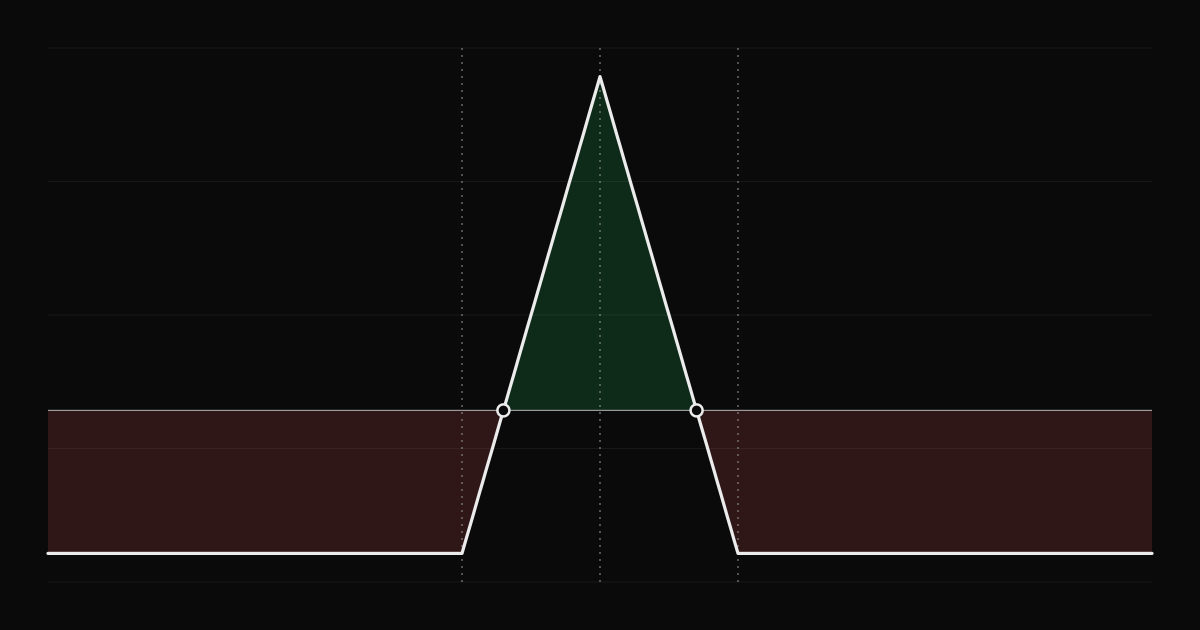
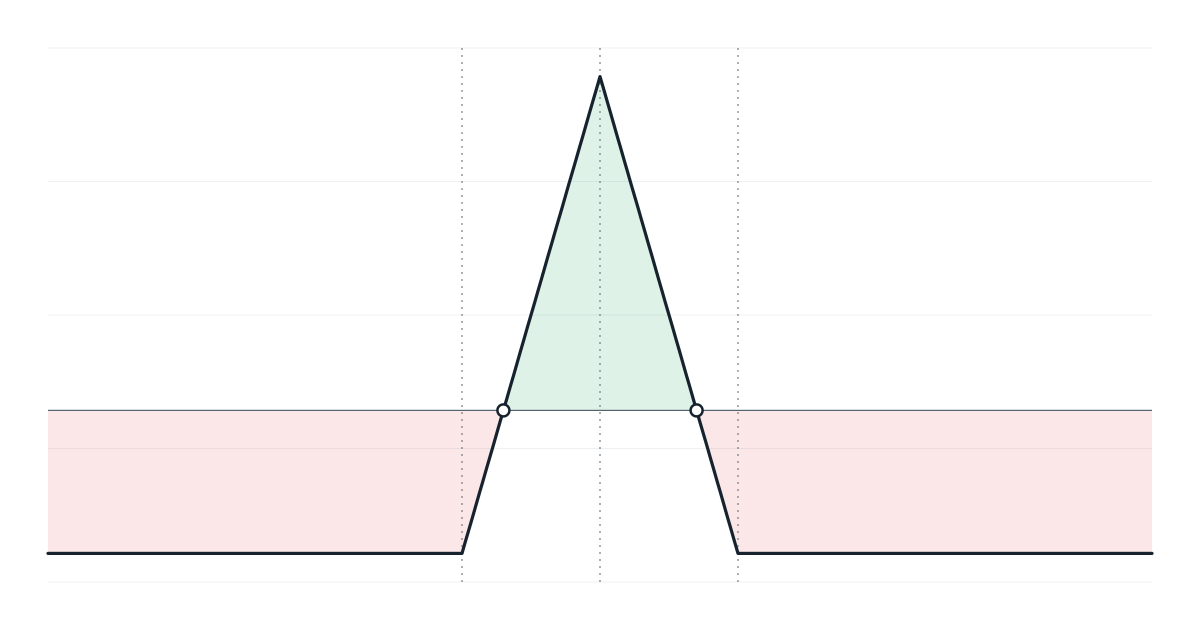
A guide to options risk profile (payoff) charts: the expiration line, the today line, break-evens, maximum profit and loss, and how to use the chart before and during a trade.
How theta and time decay work, why decay speeds up near expiration, how it affects long and short option positions, and how to use it in your strategy.

An option's price has two parts: intrinsic value (what it would be worth if exercised now) and time value (everything else). Time value shrinks as expiration approaches. That erosion is time decay, and theta measures how fast it happens.
Theta estimates how much an option's price falls per day, all else equal. A theta of −0.05 means the option loses about $0.05 per share per day, or $5 per contract with a 100 multiplier.

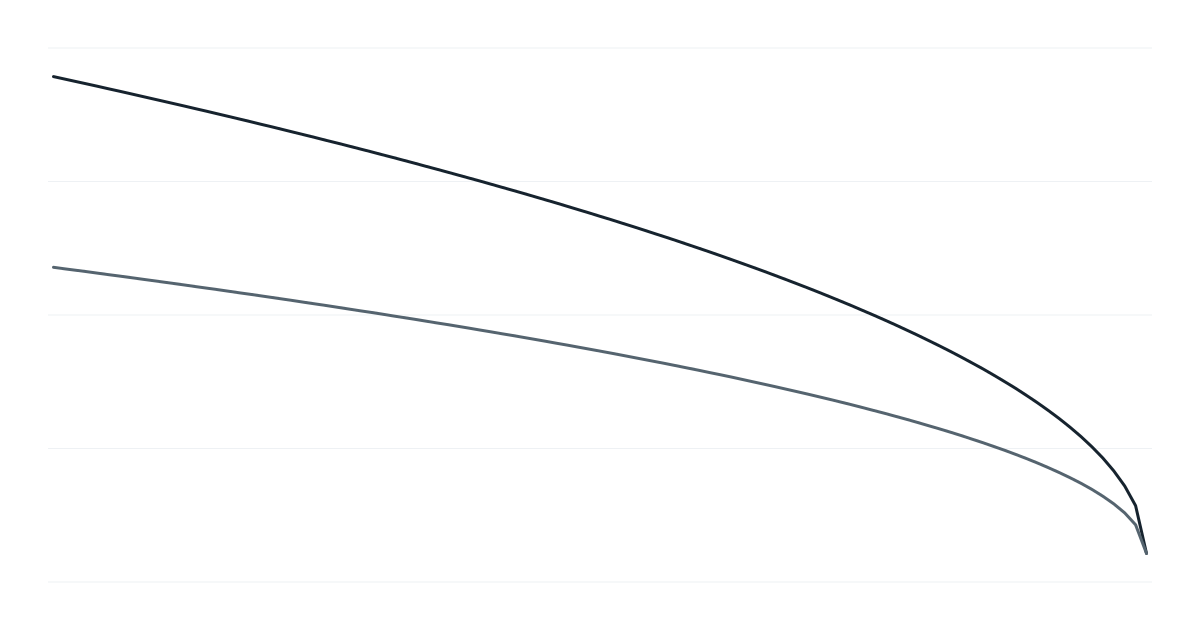
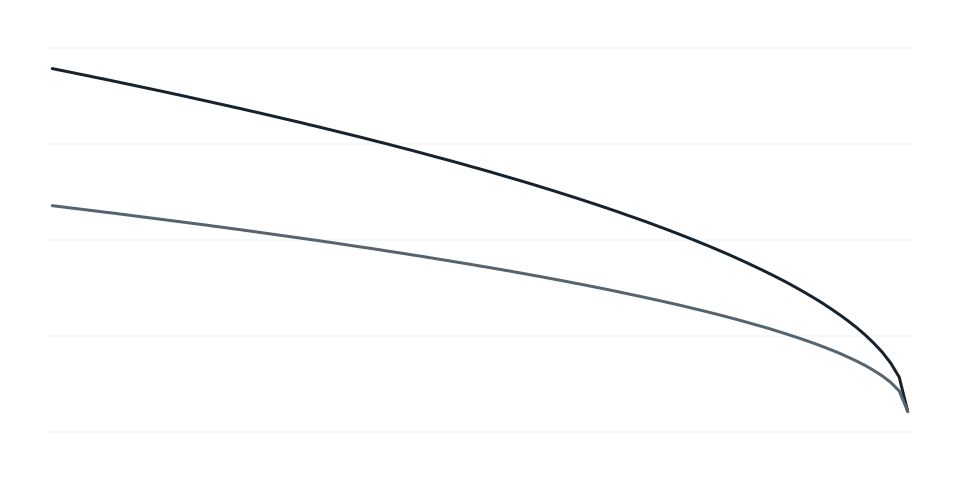
Time value decays slowly when expiration is far away and faster as it approaches. For at-the-money options, the time value is roughly proportional to the square root of the time remaining. In that model, an option with a quarter of the time left keeps about half its time value, not a quarter. The last weeks before expiration are where decay is fastest.
High theta near expiration comes with high gamma. Short options sellers collect fast decay but face sharp losses if the price moves. Long option holders pay decay but gain quickly if the price moves. This trade-off is at the heart of most options strategies. See the options greeks.
Option models count calendar days, so prices typically already reflect weekends before they arrive. Expecting a "free" weekend of decay by selling on Friday is usually disappointing.
Each option position shows live theta on the open positions page, and the risk profile shows the difference between the payoff today and at expiration, which is largely time decay.
A guide to options risk profile (payoff) charts: the expiration line, the today line, break-evens, maximum profit and loss, and how to use the chart before and during a trade.
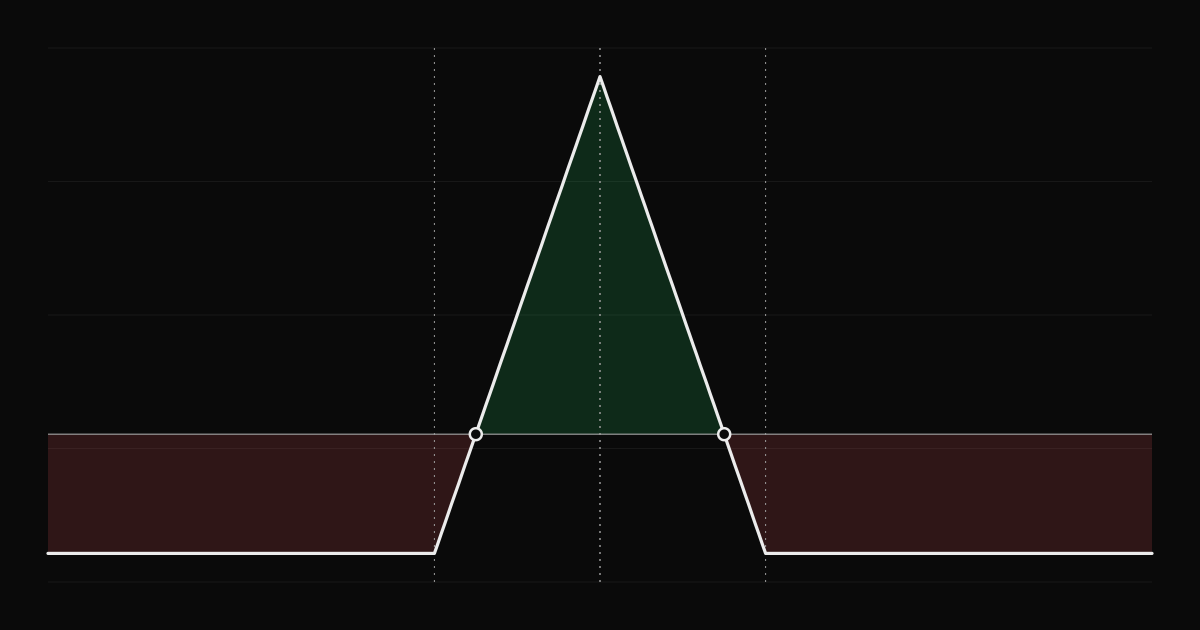
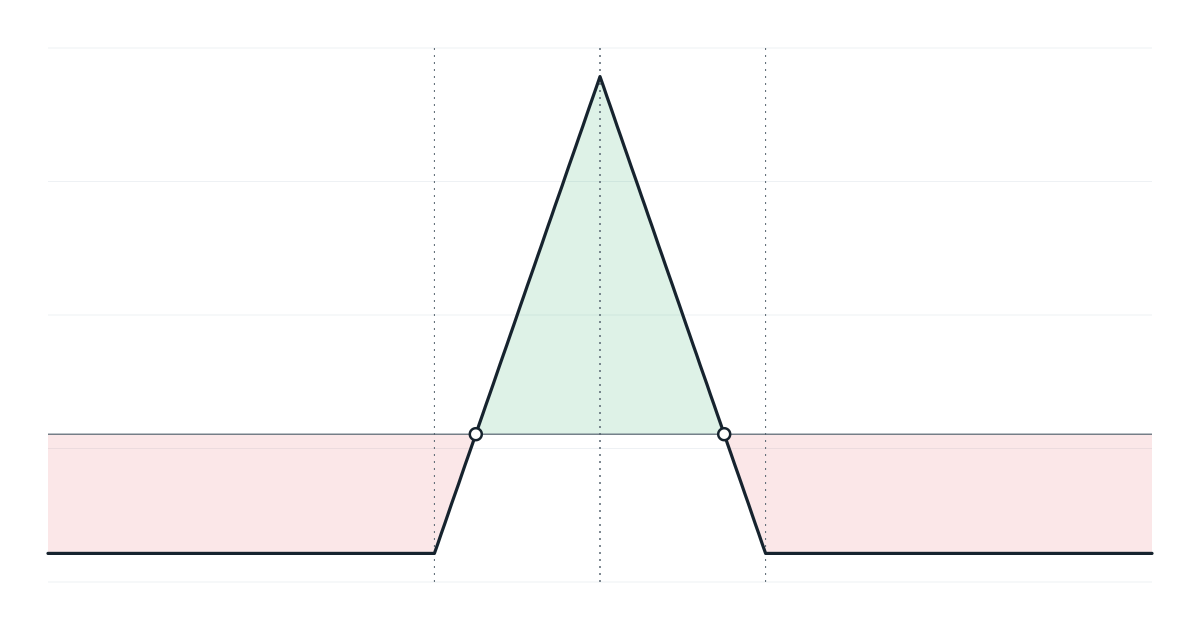
How long call butterflies and iron butterflies work, their maximum profit, maximum loss and break-evens, with worked examples and management tips.
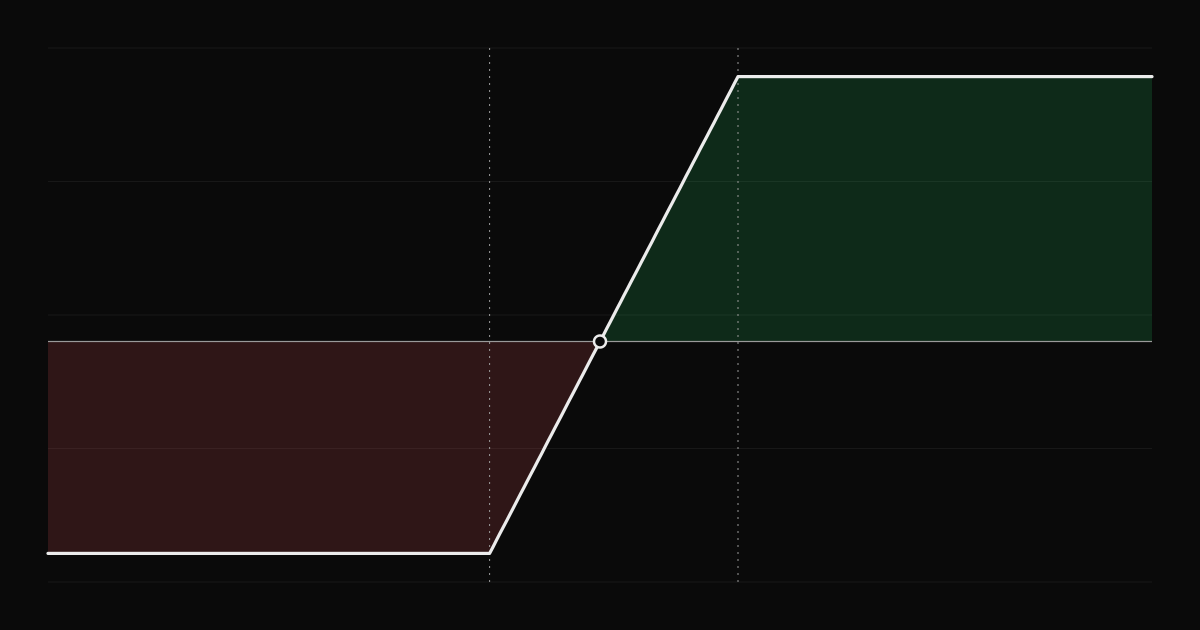
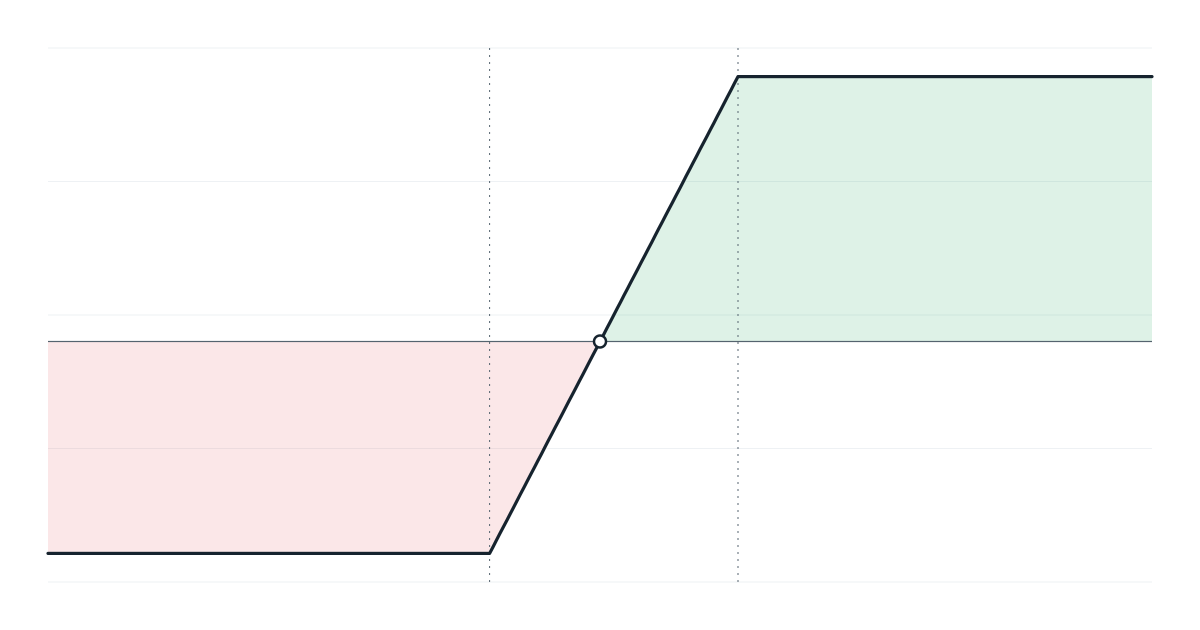
How a protective put limits downside on stock you own, how a collar pays for that protection by selling a call, with payoffs, examples and trade-offs.