Trading psychology
Why You Cut Your Winners Early (and How to Let Them Run)
Taking profits too soon is one of the most common reasons traders with a good win rate still lose money. Here is how to diagnose it and fix it with exit rules.
Loss aversion makes traders hold losers and sell winners too early. Learn how this bias shows up in your trades and how to counter it with rules and data.
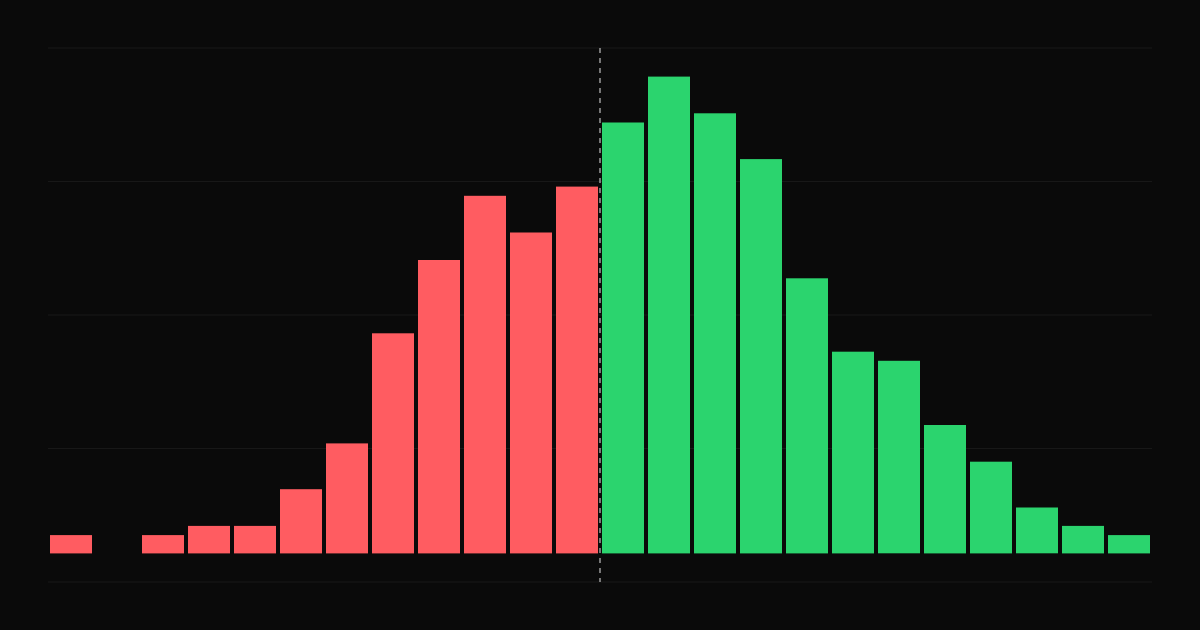
Losing $500 feels worse than winning $500 feels good. Research in behavioral economics, starting with Kahneman and Tversky's prospect theory, has found that losses typically weigh roughly twice as heavily as equal gains in people's decisions. In trading, that asymmetry quietly reshapes your results.
Holding losers too long. Closing a losing trade makes the loss real. Keeping it open preserves the hope it will come back. So stops get moved, and small losses become large ones.
Selling winners too early. A winning trade could turn into a loser, and that thought is painful. So you take a small profit to lock it in. This pattern, holding losers and selling winners, is known as the disposition effect.
Risk-seeking after losses. When you are down for the day, a big gamble to get back to even suddenly feels attractive. That is the root of revenge trading.
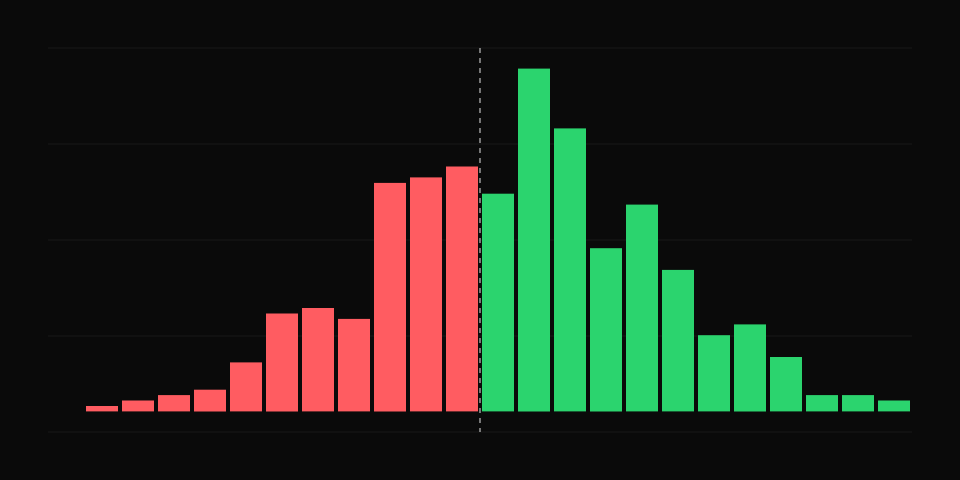
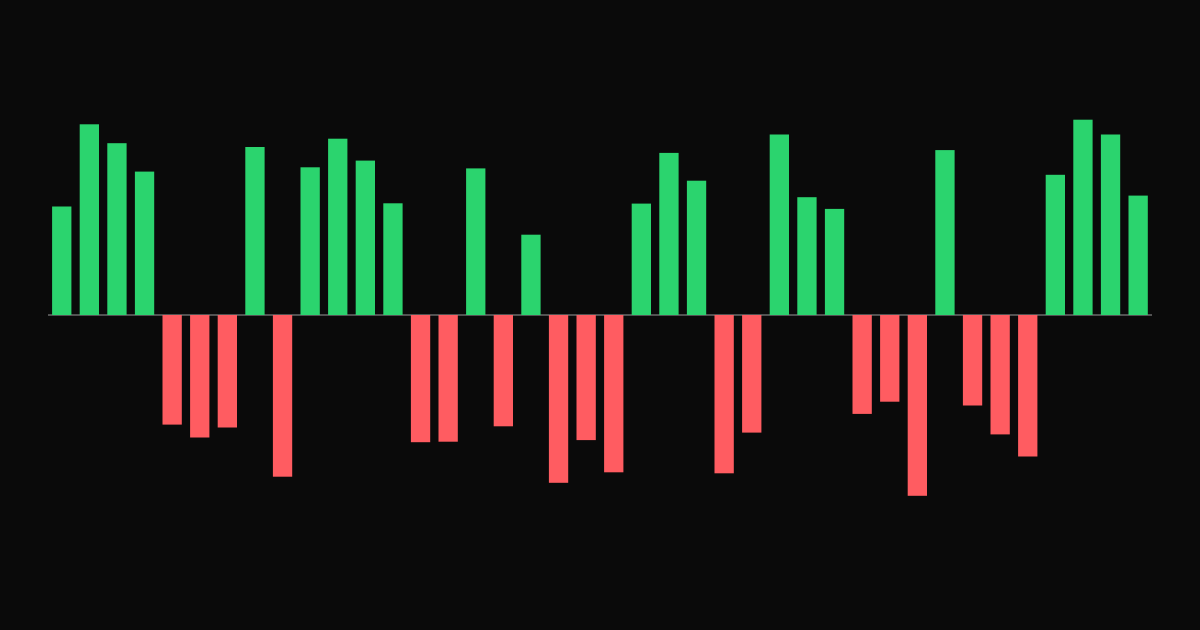
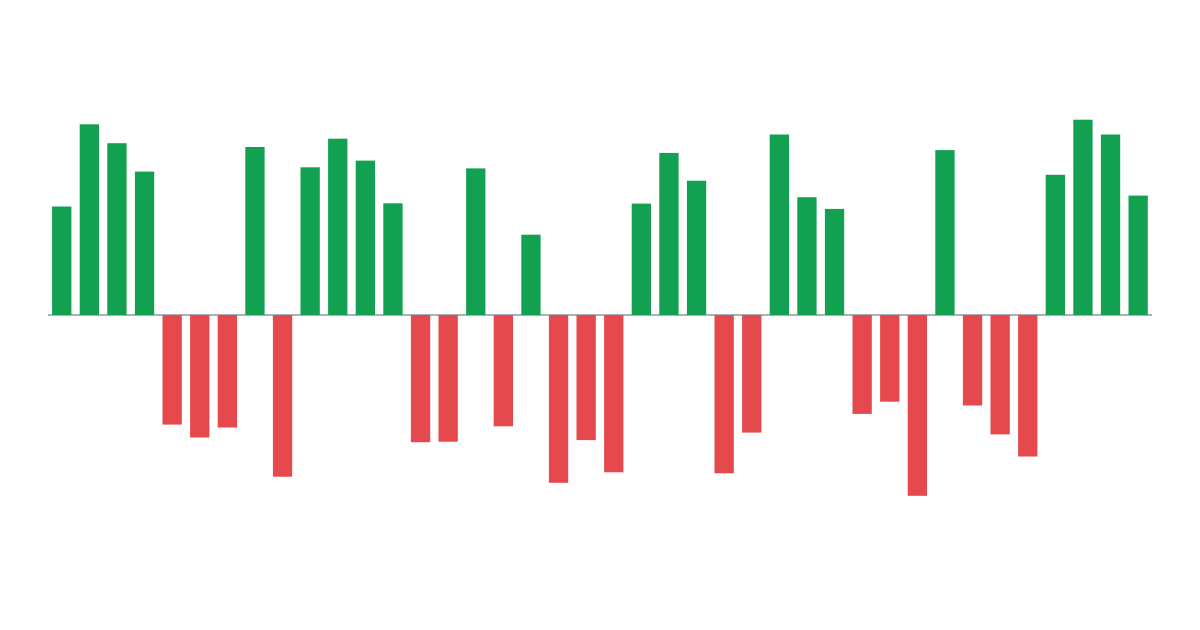
Together these habits produce a recognizable pattern in a trading journal:
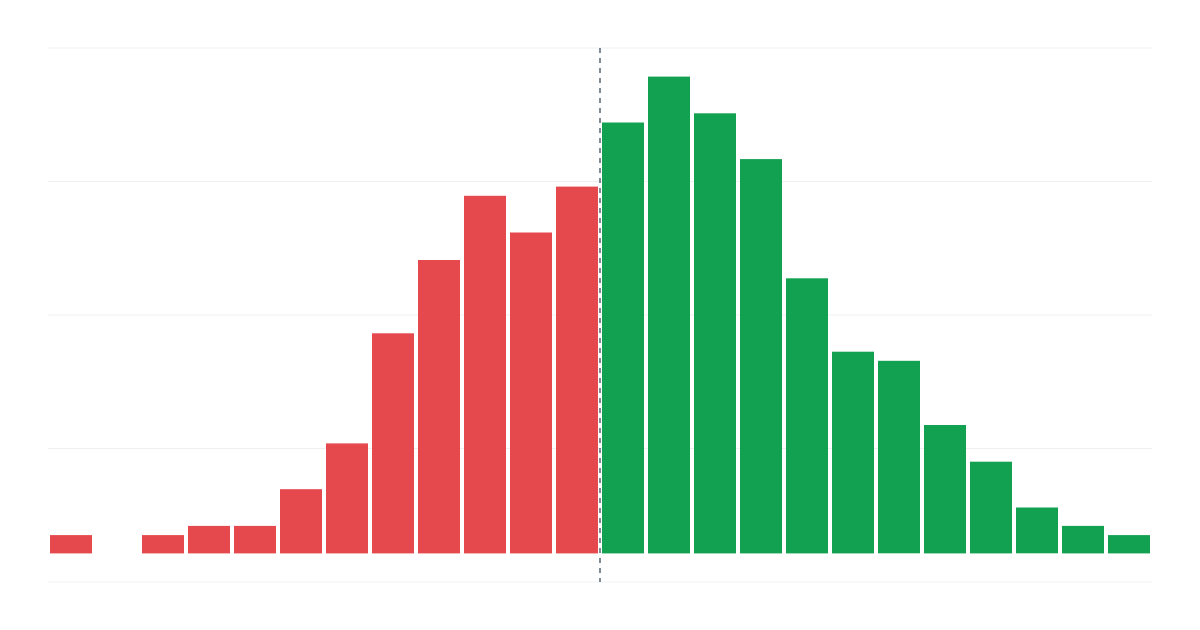
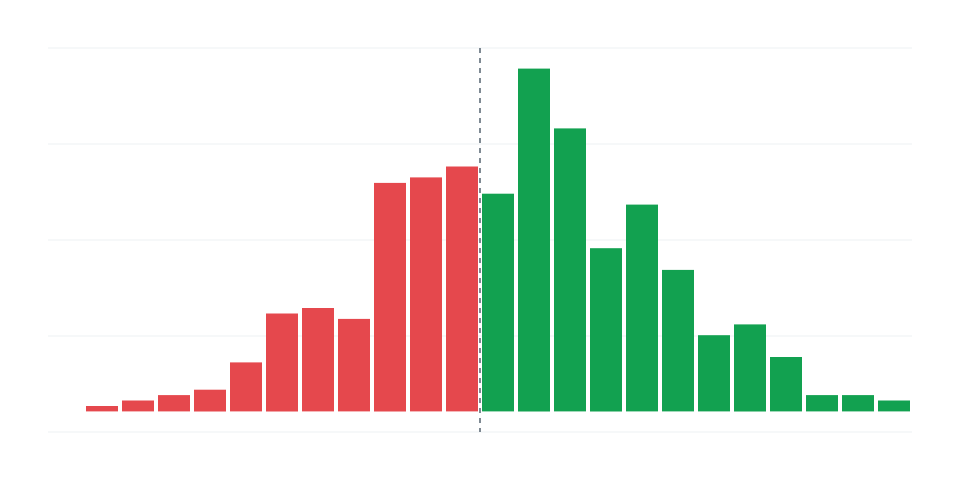
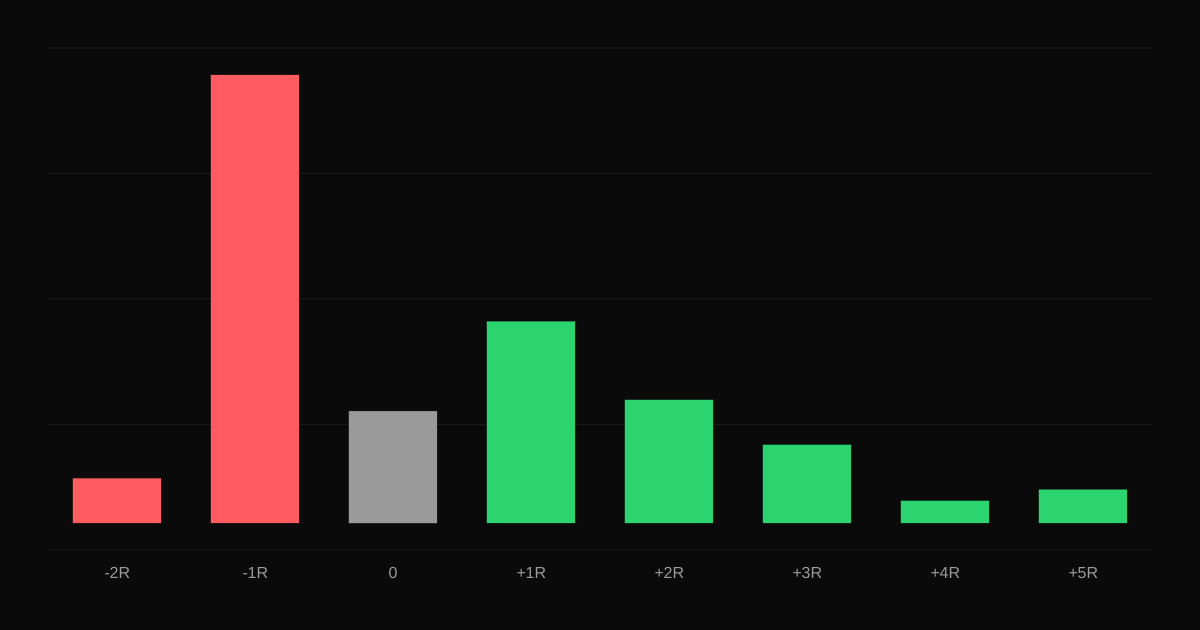
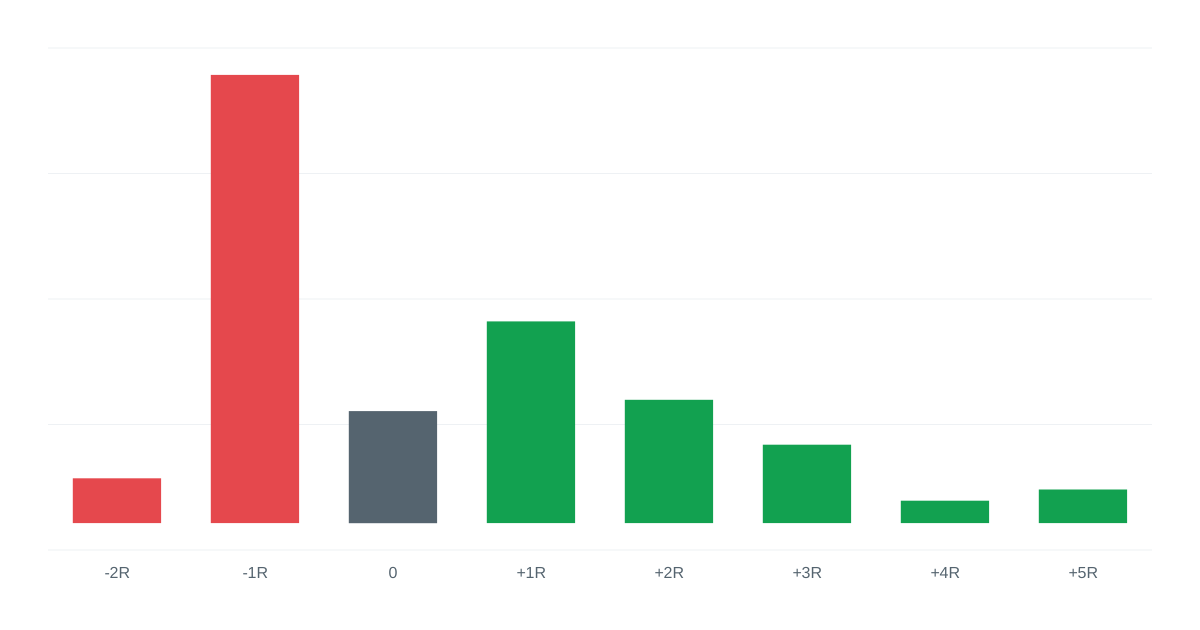
A trader with a 65% win rate whose average loss is twice their average win is losing money. See average win vs average loss and win rate vs profit factor.
You cannot switch off a bias, but you can build rules that work around it:
Compare your average win and average loss in R. Look at MAE and MFE: if your losing trades often go far beyond your planned stop, you are holding losers; if winners often run much further after your exit, you are cutting them. In TradeThink, these numbers and the full P&L distribution are on the statistics and reports pages, so you can see your own version of this chart.
Taking profits too soon is one of the most common reasons traders with a good win rate still lose money. Here is how to diagnose it and fix it with exit rules.
Discipline in trading comes from clear rules and simple routines, not willpower. Here are ten rules most consistent traders use, and how to make them stick.
Losing streaks are normal even for profitable traders. Learn how long they can last, how to tell bad luck from a broken strategy, and what to do while you are in one.