Strategy and analysis
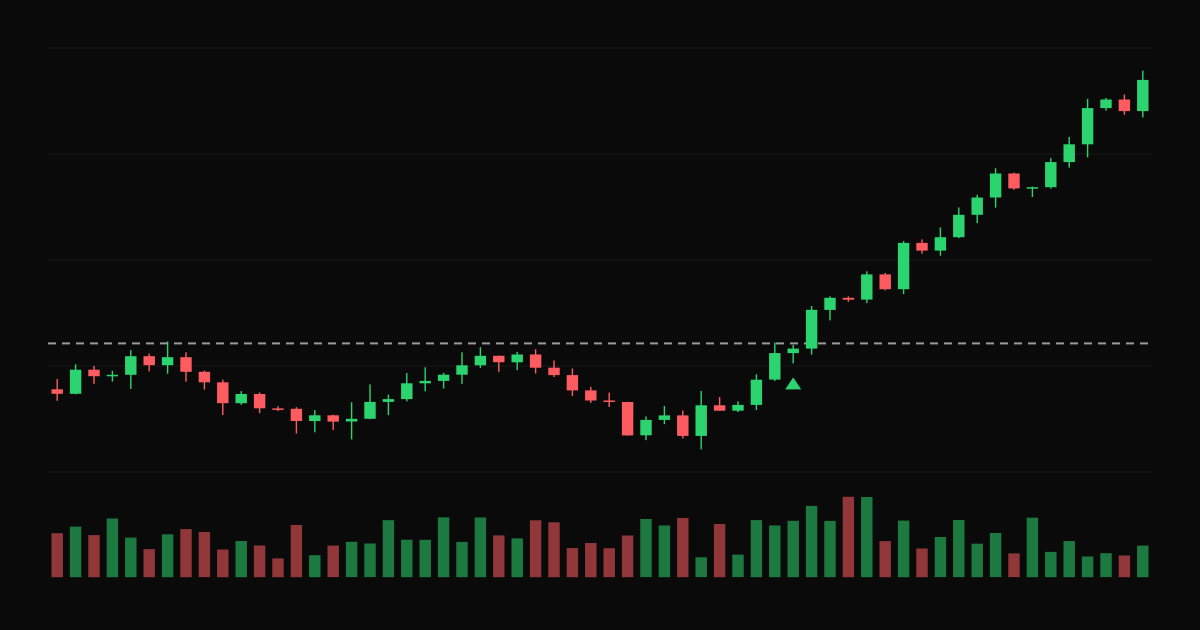
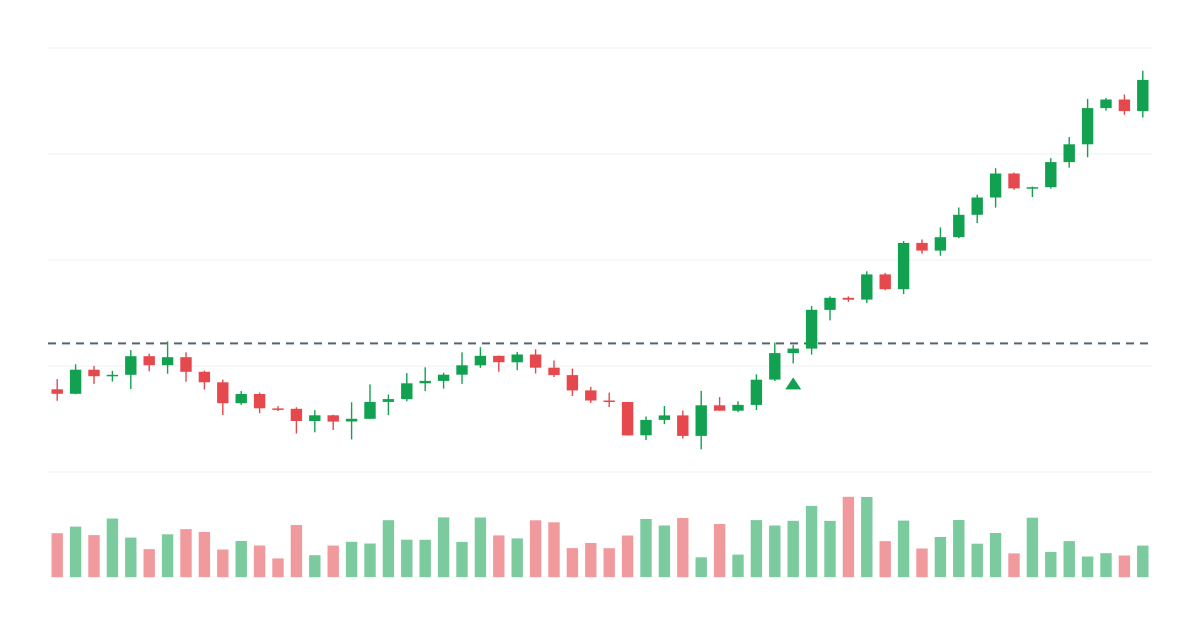
Support and Resistance: How to Find Levels That Matter
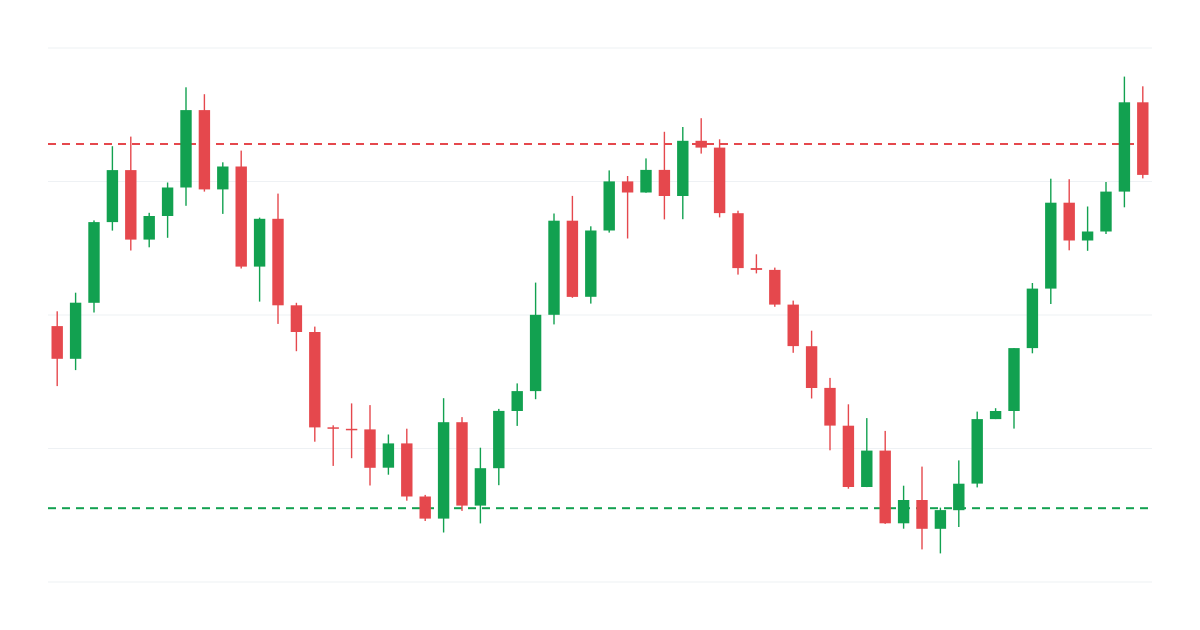
What support and resistance are, how to identify meaningful levels, why levels can flip, and how to use them for entries, stops and targets.
How traders use simple and exponential moving averages for trend direction, crossover signals, pullback entries and trailing stops, and the trade-offs of each approach.
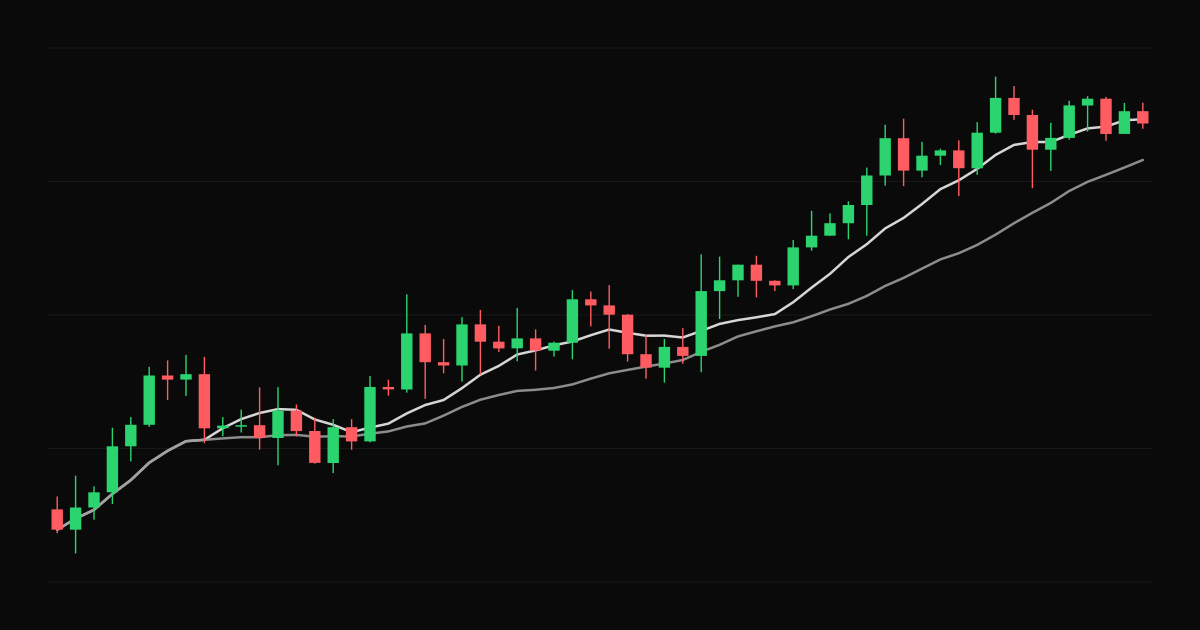
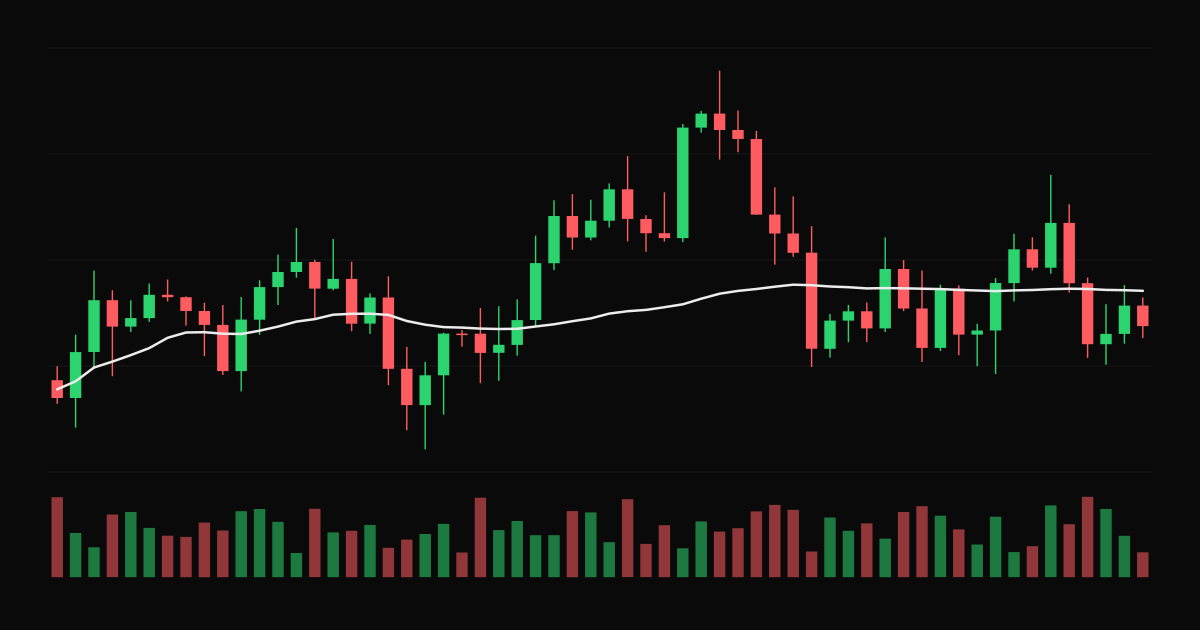
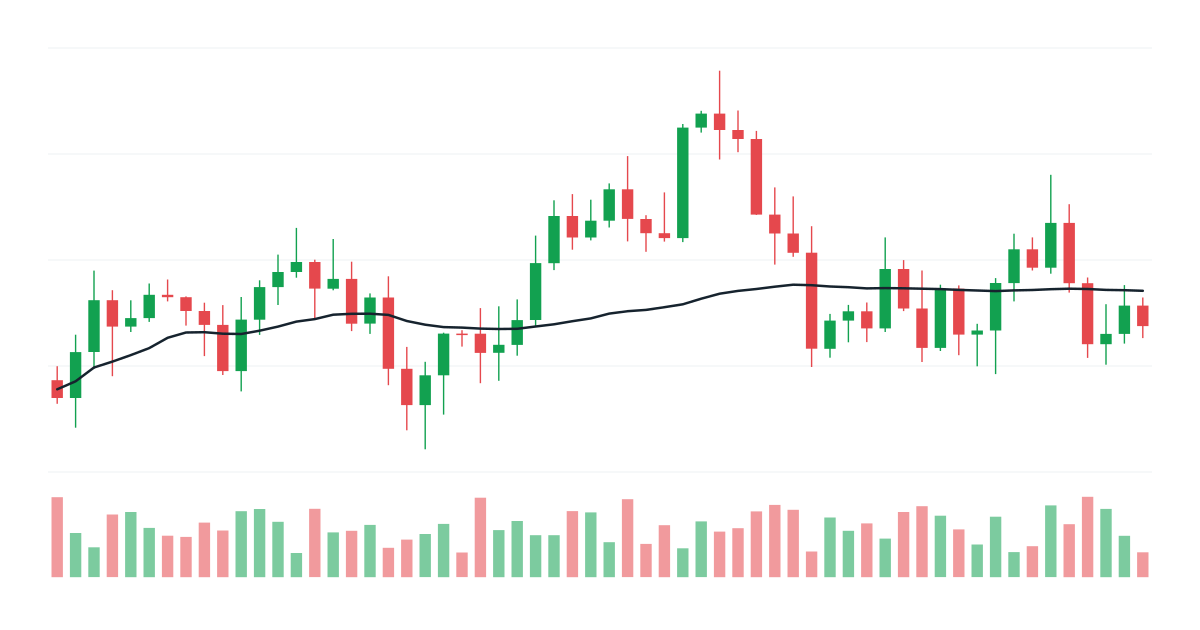
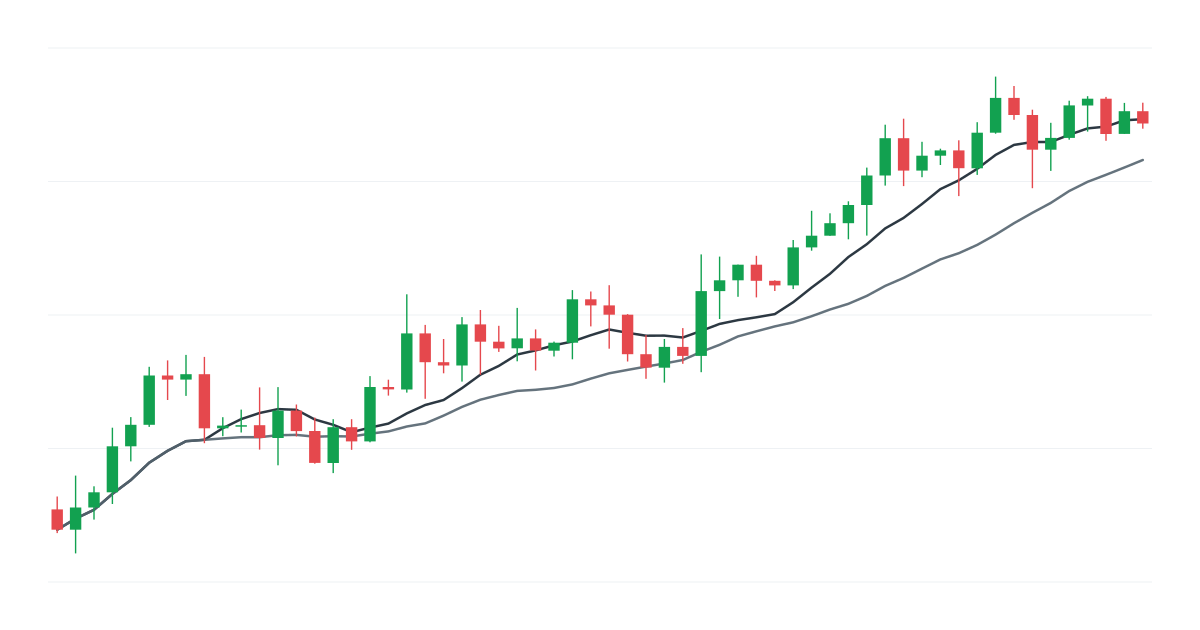
A moving average smooths price into a single line by averaging recent closes. It is one of the oldest and most widely used tools in technical analysis. It does not predict anything, but it makes trends easier to see and turns vague ideas into testable rules.
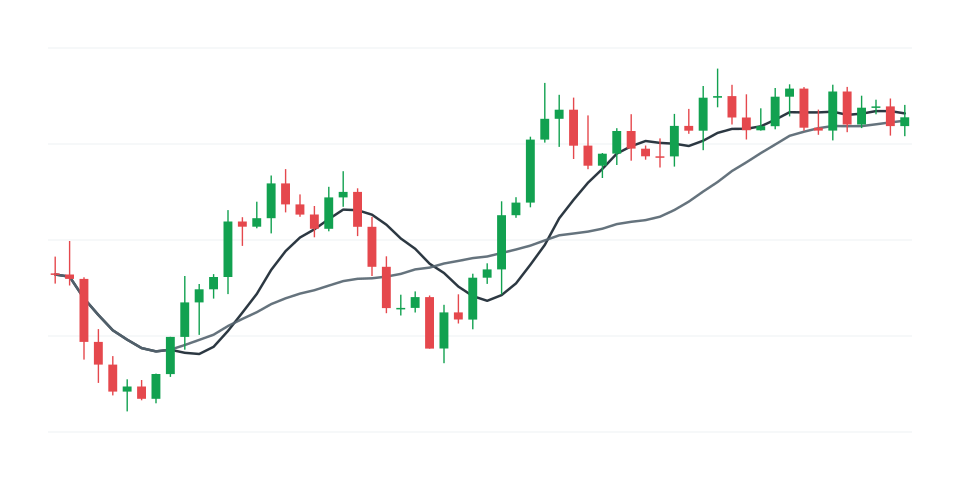
Faster averages respond to changes sooner but give more false signals. Slower averages are steadier but lag more. Common lengths include 9, 20, 50 and 200 periods.
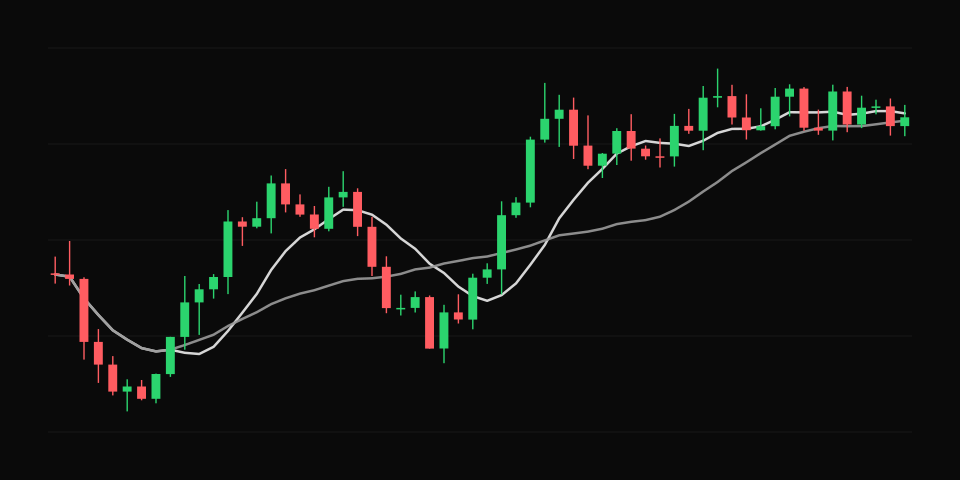
Only take longs when price is above a chosen moving average, such as the 50-day, and shorts when below. It keeps you on the side of the prevailing trend. See trend following.
A buy signal when a faster average crosses above a slower one, a sell signal when it crosses below. Crossovers catch big trends, but in sideways markets they produce many small losses, called whipsaws.
In a trend, price often pulls back toward a moving average before continuing. Traders look for entries near the average, with a stop beyond it. See pullback trading.
Exit when price closes beyond a moving average. Objective and simple, though it can give back a fair amount at the end of a trend. See trailing stops.
Moving averages work well in trending markets and poorly in ranges. Many strategies combine a moving average signal with a filter for market conditions, such as the slope of the average or a volatility measure, to avoid the worst of the whipsaws.
Avoid tuning lengths until the past looks perfect. That is overfitting. See backtesting vs journaling. Instead:
Each trade has a price chart with your entries and exits, so you can see where they sat relative to the trend. Tag trades with your moving average setup and compare it against your other setups in the reports.
What support and resistance are, how to identify meaningful levels, why levels can flip, and how to use them for entries, stops and targets.
How breakout trading works, what makes a breakout more reliable, entries, stops and targets, and how to deal with false breakouts.
What VWAP is, how it is calculated, why institutions watch it, and how day traders use VWAP for trend bias, pullback entries and reclaim setups.