

Trading psychology
Trading Discipline: 10 Rules That Keep You Consistent
Discipline in trading comes from clear rules and simple routines, not willpower. Here are ten rules most consistent traders use, and how to make them stick.
Taking profits too soon is one of the most common reasons traders with a good win rate still lose money. Here is how to diagnose it and fix it with exit rules.
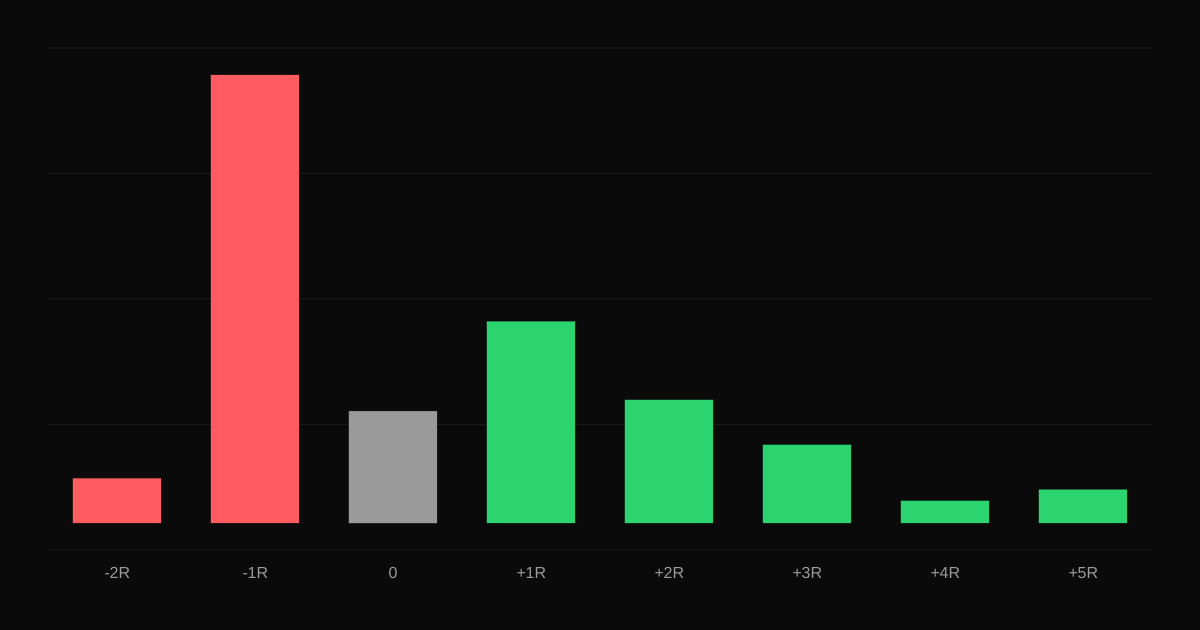
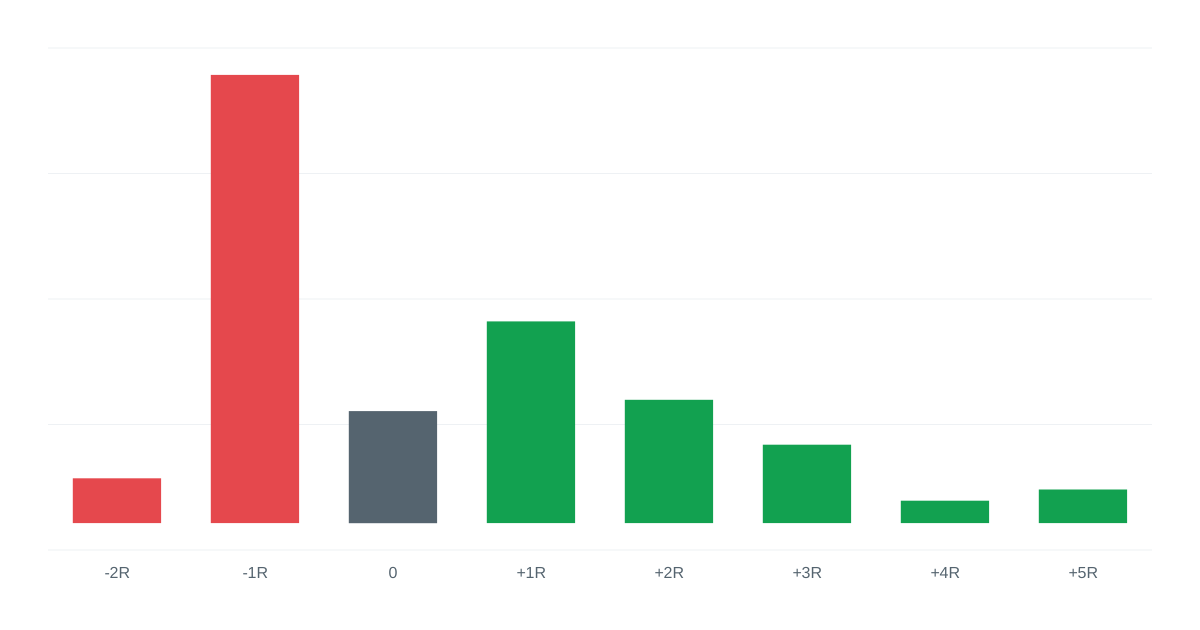
"Cut your losses short and let your winners run" is the oldest advice in trading. Many traders do the opposite. They grab a small profit at the first sign of a pullback, then watch the trade go on to their target without them.
Your profitability depends on two numbers together: how often you win and how much you win compared with how much you lose. If your average loss is 1R and your winners average only 0.7R, you need to win about 59% of the time just to break even. Push the average win to 1.5R and break-even drops to 40%. See risk-reward ratio and expectancy.
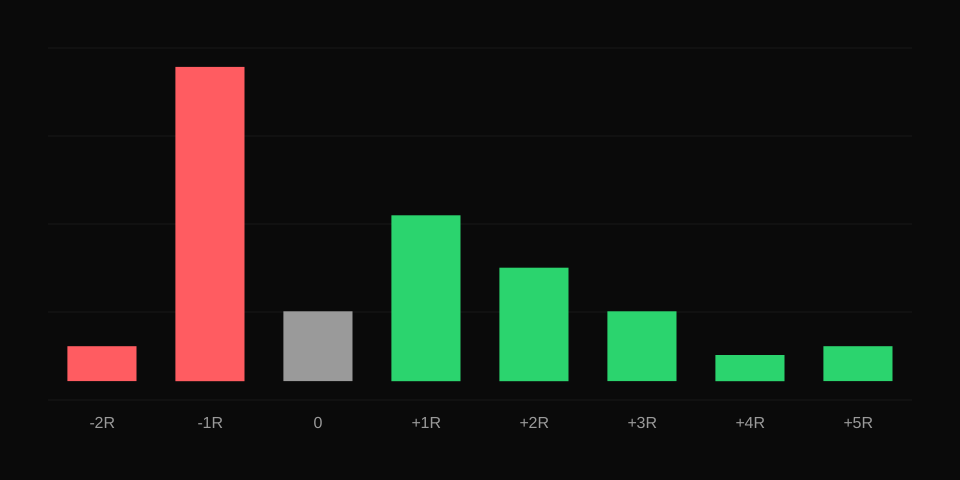
Your journal can show this clearly:
Take your last 50 winning trades and check how many would have reached 2R before hitting your stop. If many would have, a fixed 2R target or a partial exit is likely to improve your results. In TradeThink, each trade shows the price chart with your entry and exit, so you can quickly see what happened after you left, and the reports show your average win and loss side by side.
Discipline in trading comes from clear rules and simple routines, not willpower. Here are ten rules most consistent traders use, and how to make them stick.
Losing streaks are normal even for profitable traders. Learn how long they can last, how to tell bad luck from a broken strategy, and what to do while you are in one.
How confirmation bias leads traders to ignore warning signs, hold losing positions and overrate their ideas, and practical habits that counter it.