Risk management
Where to Place a Stop Loss: 5 Methods and Their Trade-offs
How to place a stop loss using structure, volatility, percentage, time and indicators, with the pros and cons of each and the common mistakes to avoid.
The 1% rule says to risk no more than 1% of your account per trade. Learn the math behind it, when 2% or 0.5% may fit better, and how it protects you from ruin.
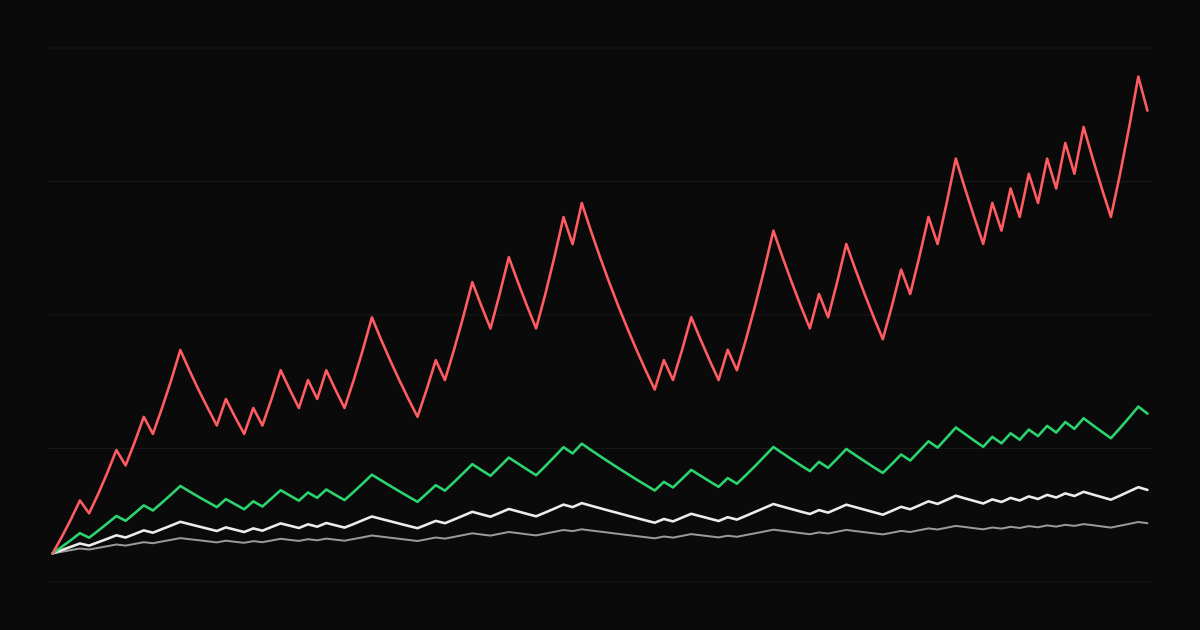
The 1% rule is simple: never risk more than 1% of your account on a single trade. If the stop is hit, you lose at most 1%. It is one of the most widely quoted rules in trading, and for good reason.
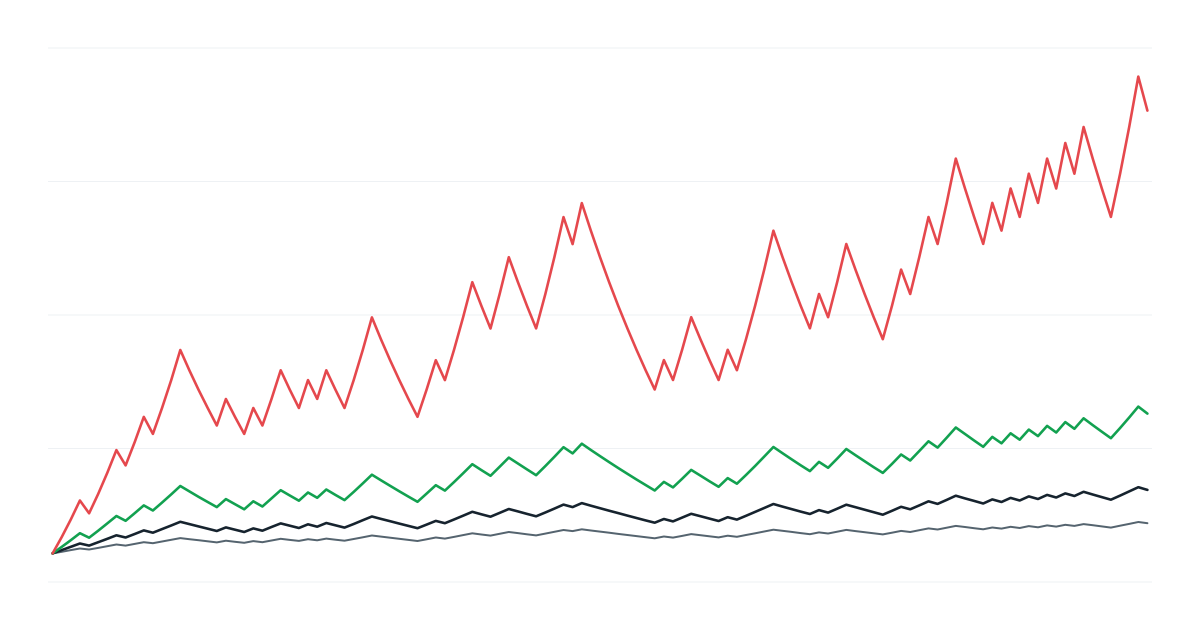
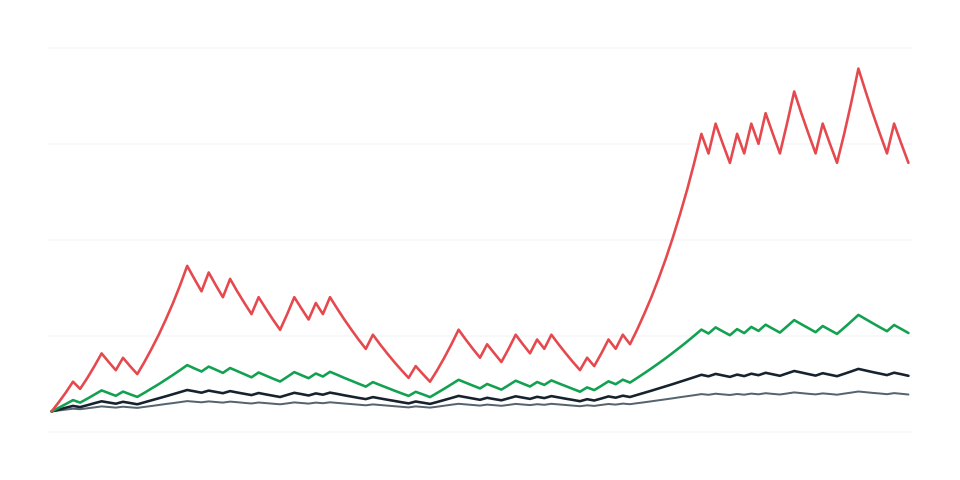
Losing streaks are inevitable. See handling a losing streak. The question is how much a streak costs you.
| Consecutive losses | Account left at 1% risk | at 2% risk | at 5% risk | at 10% risk |
|---|---|---|---|---|
| 5 | 95.1% | 90.4% | 77.4% | 59.0% |
| 10 | 90.4% | 81.7% | 59.9% | 34.9% |
| 20 | 81.8% | 66.8% | 35.8% | 12.2% |
At 1%, even 20 losses in a row leaves most of the account intact. At 10%, you are close to finished. And remember that recovering from a drawdown takes a larger percentage gain than the loss: a 50% loss needs a 100% gain to get back. See max drawdown and recovery.
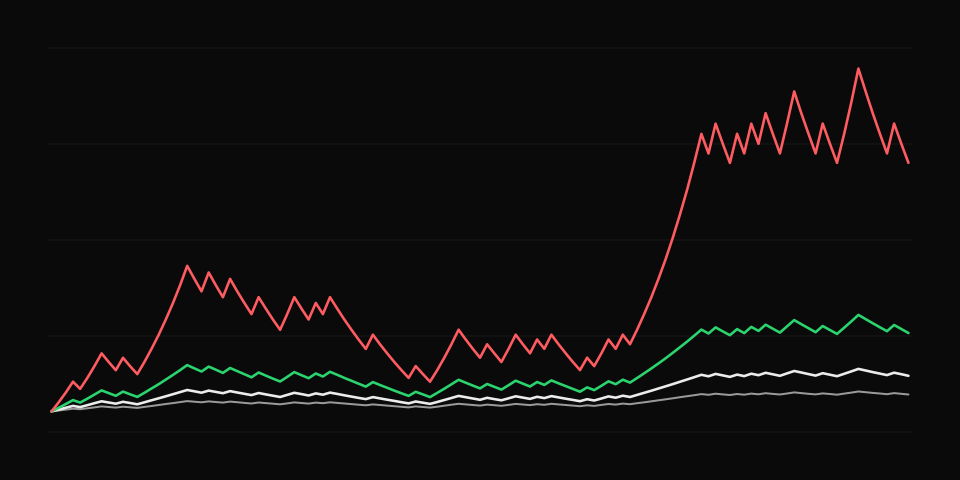
The rule is about risk, not position size. With a $50,000 account, 1% is $500 of risk. With a stop $1 away, that is 500 shares, a position worth far more than 1% of the account. The position sizing guide shows the formula.
0.25% to 0.5% suits:
Up to 2% is sometimes used by experienced traders with a proven, well-measured edge and few trades. Going much higher than that greatly raises the risk of ruin.
Not necessarily. The Kelly criterion gives a mathematically optimal fraction for maximum long-term growth, given your win rate and payoff. In practice, Kelly fractions are often much larger than 1% and lead to very deep drawdowns, so most traders use a small fraction of Kelly, which often ends up in the same 0.5% to 2% range.
Recalculate your 1% as the account changes, for example once a week or once a month. Risk shrinks during drawdowns and grows with profits automatically.
The rule only works if you follow it. Look at your losses in R: if many losing trades are 2R, 3R or worse, your real risk is much higher than 1%. In TradeThink, R-multiples are calculated for every trade and shown in the reports. The free Kelly's Simulator lets you see how different risk levels play out over many trades.
How to place a stop loss using structure, volatility, percentage, time and indicators, with the pros and cons of each and the common mistakes to avoid.
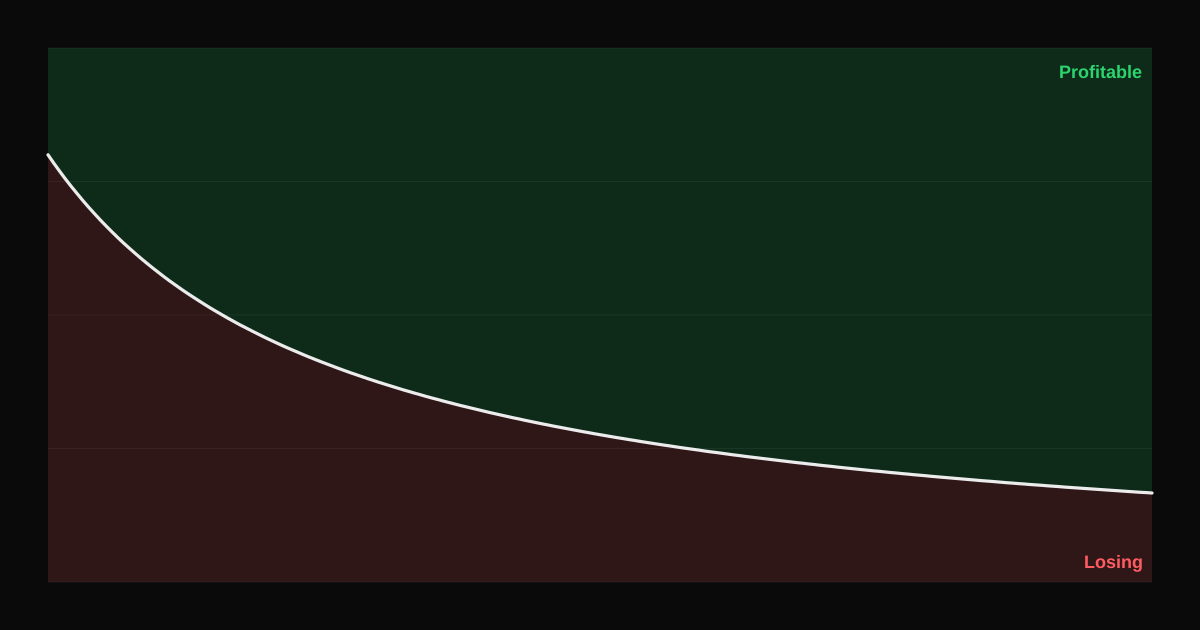
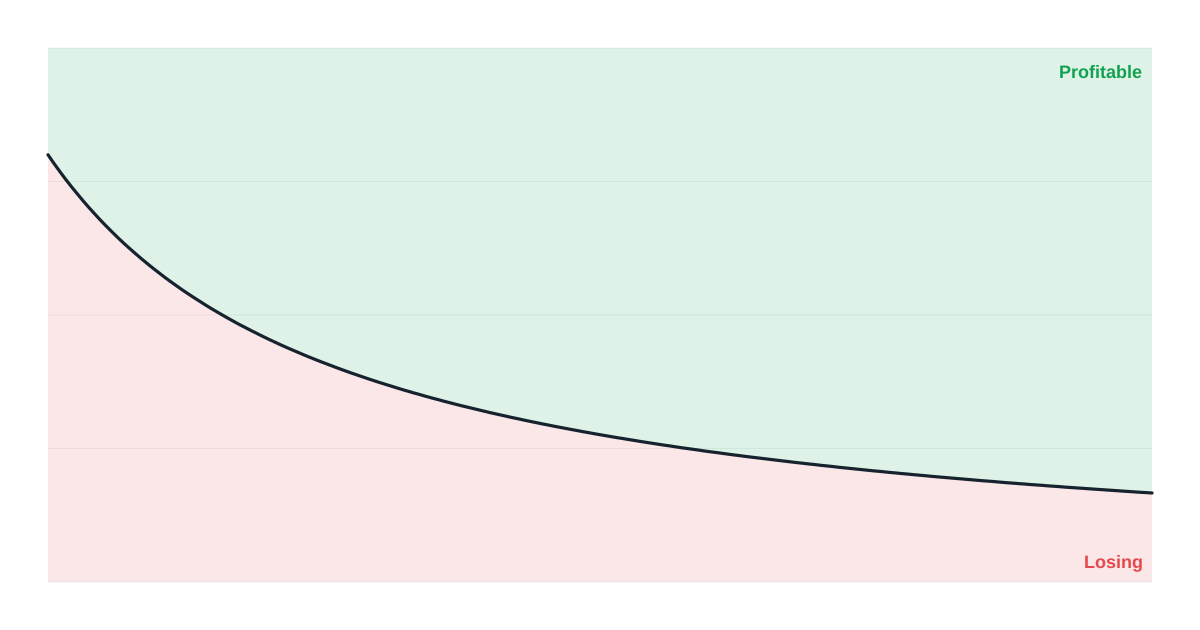
What the risk-reward ratio means, the break-even win rate for each ratio, and why a high ratio alone does not make a strategy profitable.
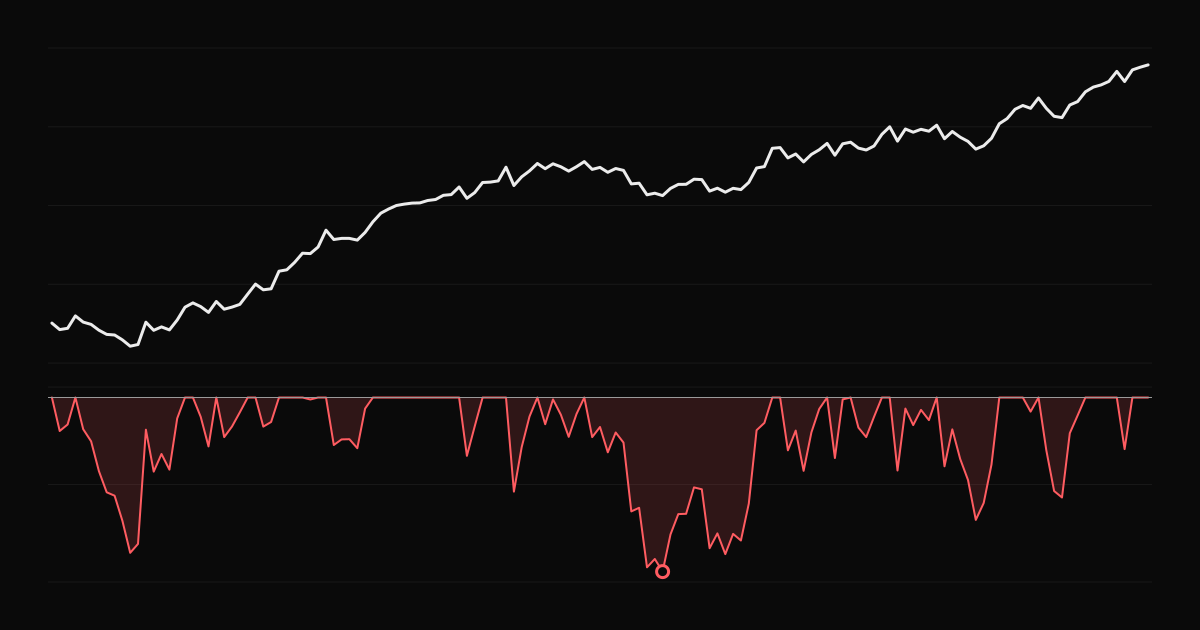
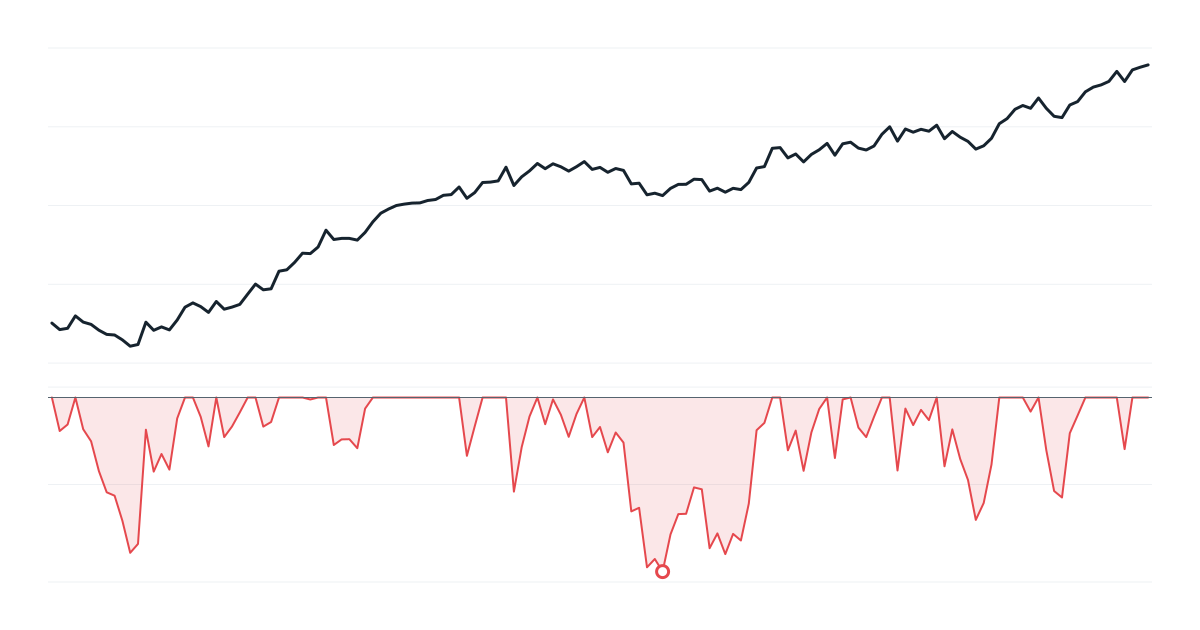
What maximum drawdown is, how to calculate it, the gain needed to recover from each drawdown, and how to keep drawdowns small enough to survive.