Performance metrics
The Sortino Ratio: A Better Risk Measure for Traders?
How the Sortino ratio differs from the Sharpe ratio, how to calculate downside deviation, and when the Sortino ratio gives a fairer picture of a trading strategy.
How the Sharpe ratio measures risk-adjusted returns, how to calculate it from daily trading returns, what values are typical, and its limitations for active traders.
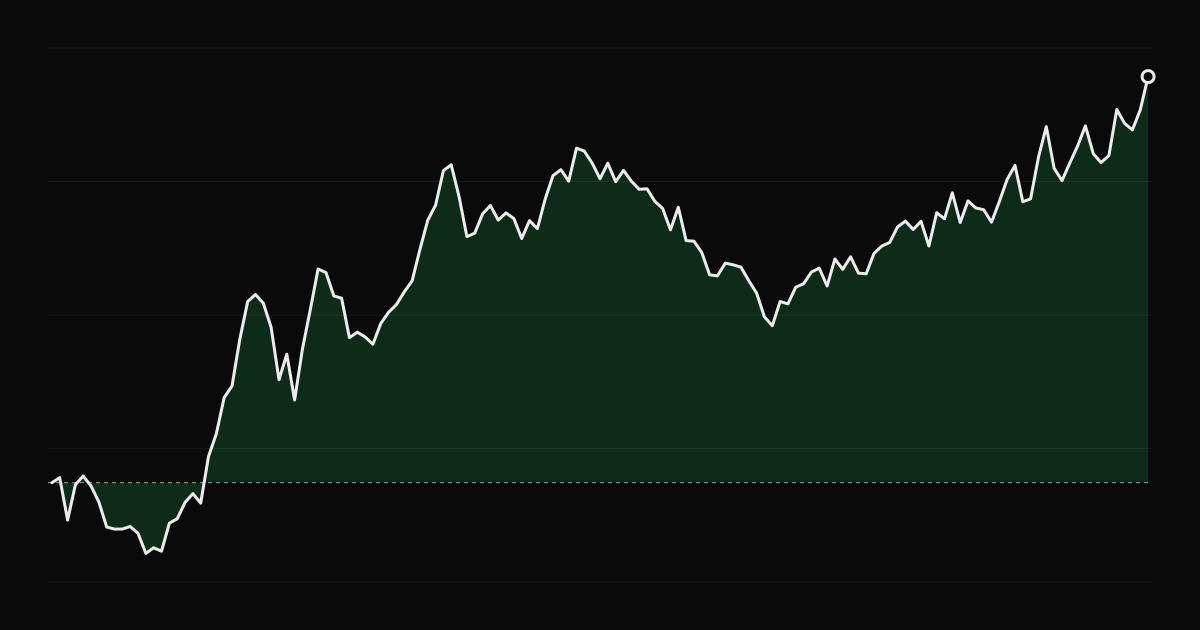
Two traders each make 30% in a year. One had steady weekly gains; the other swung wildly between big wins and big losses. The Sharpe ratio, introduced by William F. Sharpe, measures that difference: how much return you earned per unit of volatility.
Sharpe ratio = (Average return − Risk-free rate) ÷ Standard deviation of returns
For traders, returns are usually measured daily, then annualized:
Annualized Sharpe ≈ Daily Sharpe × √252
using about 252 trading days per year. Some traders set the risk-free rate to zero for simplicity, especially for short-term strategies.
Suppose your average daily return is 0.10% and the standard deviation of daily returns is 1.0%. With a risk-free rate of zero:
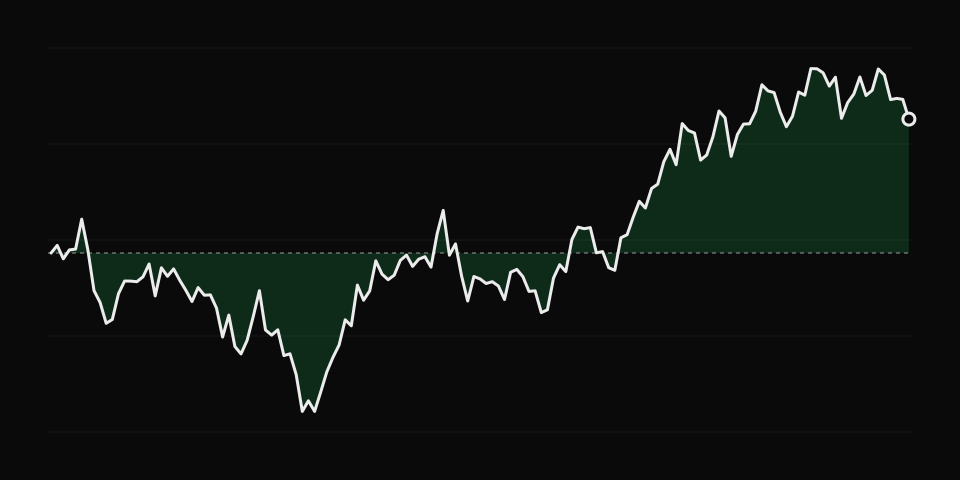
Rough rules of thumb:
Broad stock market indexes have historically shown long-run Sharpe ratios well below 1. Very high Sharpe ratios over short periods are common and often do not last.
Pair the Sharpe ratio with maximum drawdown, the Calmar ratio and profit factor. Together they show both how much you earned and what it cost you in risk.
The statistics page calculates Sharpe and Sortino ratios from your daily returns, and metric history charts them over time so you can see whether your returns are getting smoother.
How the Sortino ratio differs from the Sharpe ratio, how to calculate downside deviation, and when the Sortino ratio gives a fairer picture of a trading strategy.
How to calculate your average win and average loss, why their ratio matters as much as your win rate, and how to improve it.
Maximum adverse excursion (MAE) and maximum favorable excursion (MFE) reveal whether your stops are too tight and whether you exit winners too early. Here is how to use them.