Trading journal
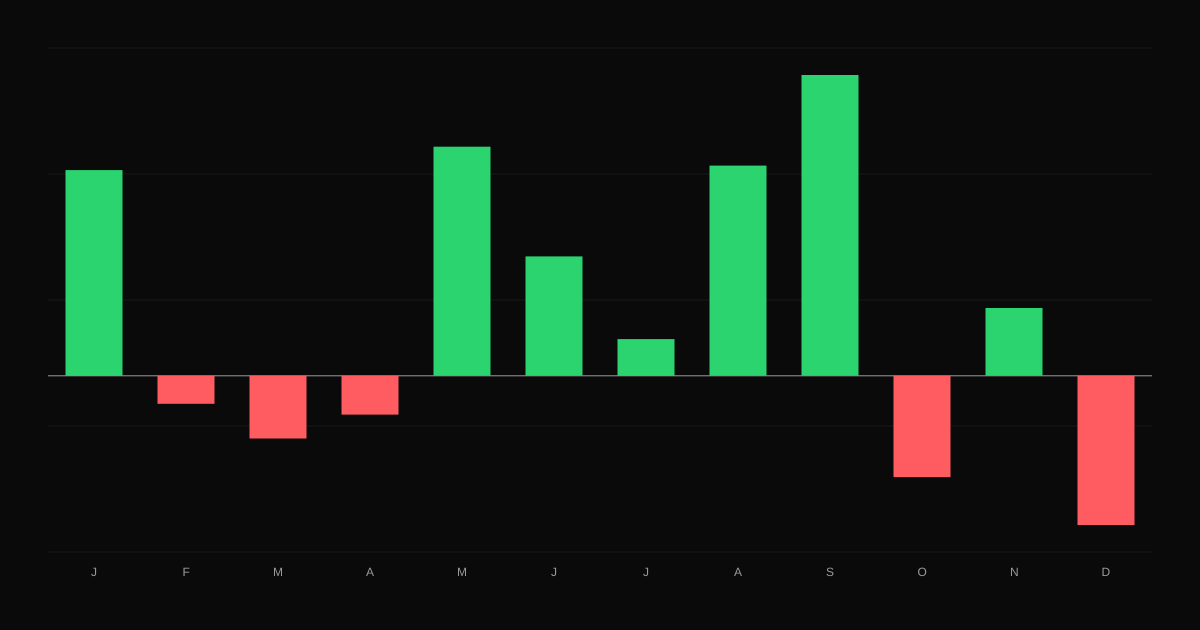
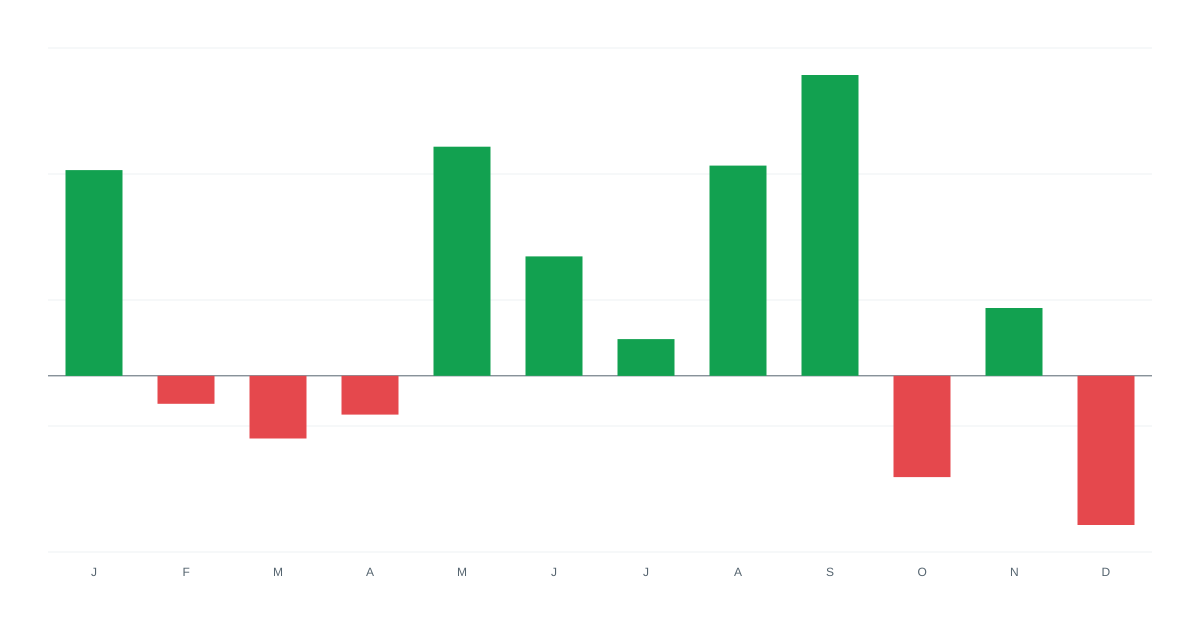
Monthly Trading Performance Review: What to Measure and Why
A monthly review routine for traders: the key metrics to track month over month, how to compare months fairly, and how to set goals for the next month.
Recording your mood before and after trading reveals how emotions affect your results. Here is a simple method and how to analyze what you find.
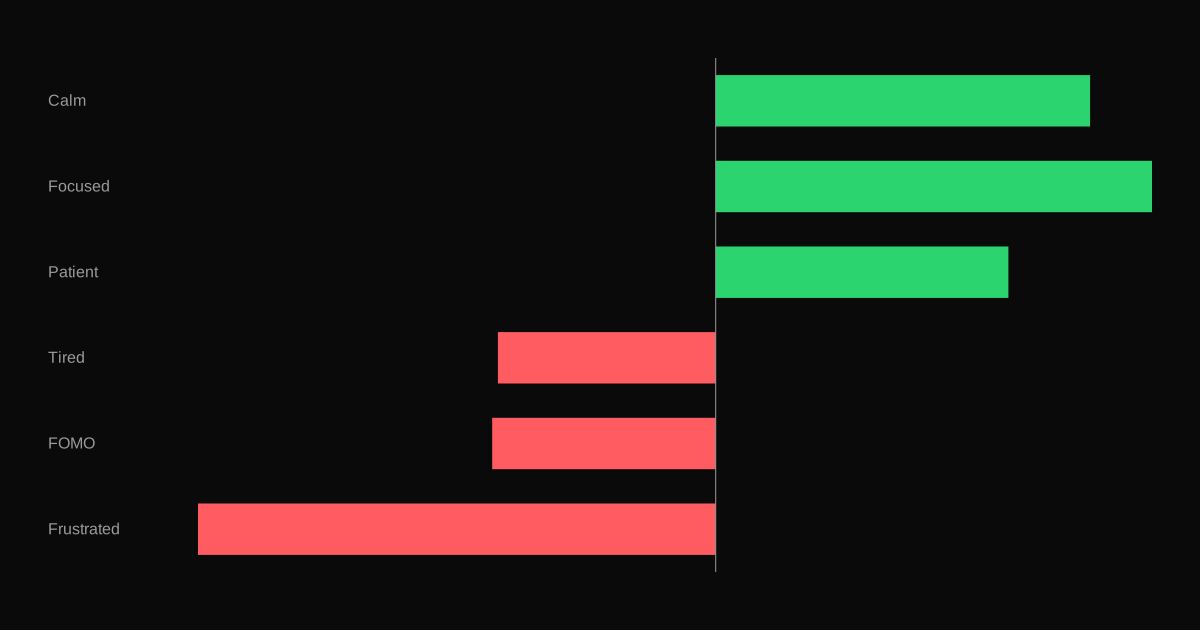
Everyone agrees that emotions affect trading. Very few traders measure how much. Recording one or two words about your mood each day turns a vague idea into data, and the data is usually surprising.
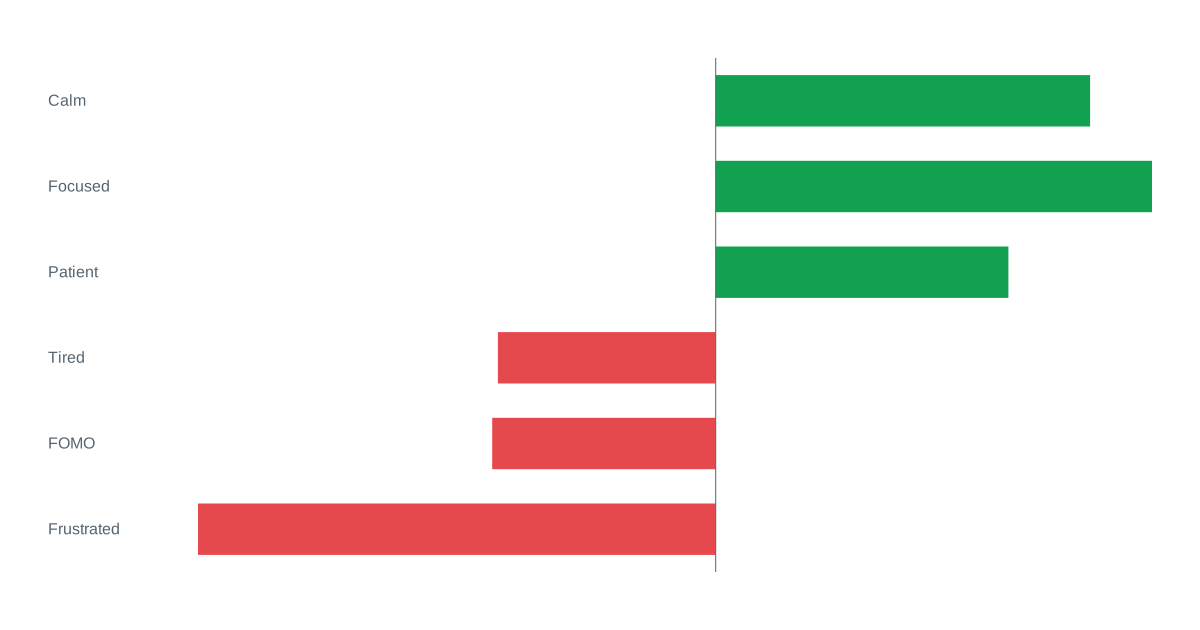
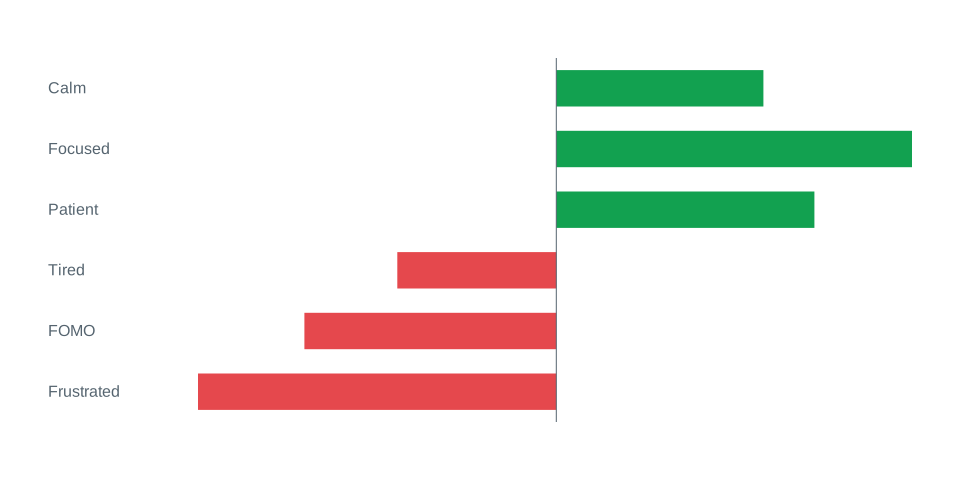
Long emotional diaries are hard to keep up and hard to analyze. Pick from a short list instead:
Record your mood before the session and again after. One click each.
After a few months, most traders see a clear pattern:
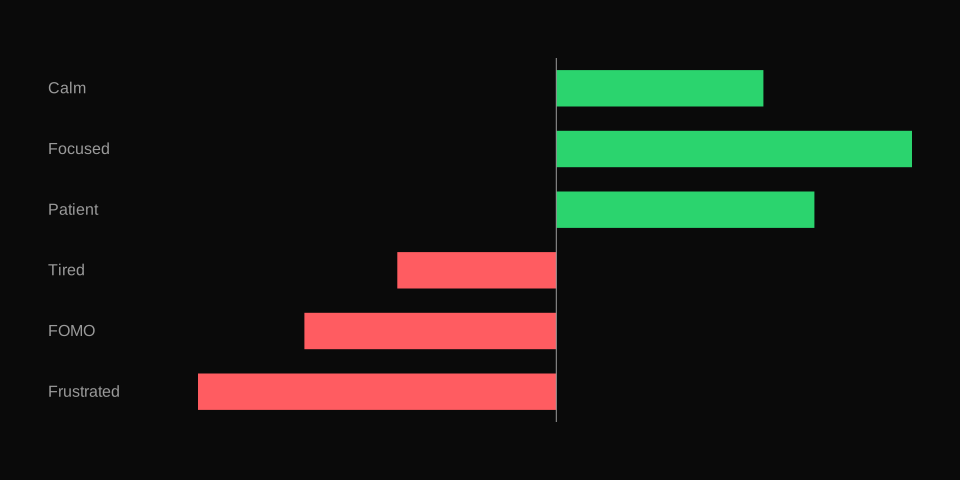
Once your journal shows the pattern, act on it:
For individual trades, note the emotion when it was strong: fear when you exited early, greed when you added to a position, anger after a stop. These notes explain trades that the numbers alone cannot.
TradeThink's daily journal records mood before and after the session from a short list, and its insights compare your average P&L on good-mood days with the rest. You can also show mood next to the calendar of your daily results. Start recording today. In a month you will have your own answer instead of a general rule.
A monthly review routine for traders: the key metrics to track month over month, how to compare months fairly, and how to set goals for the next month.
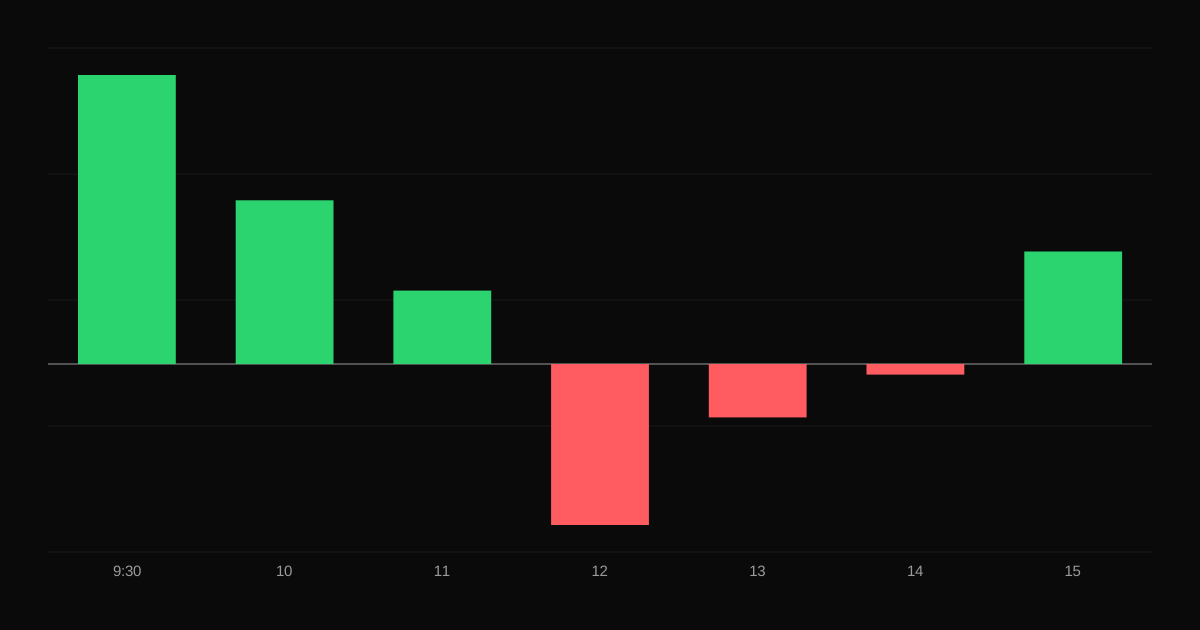
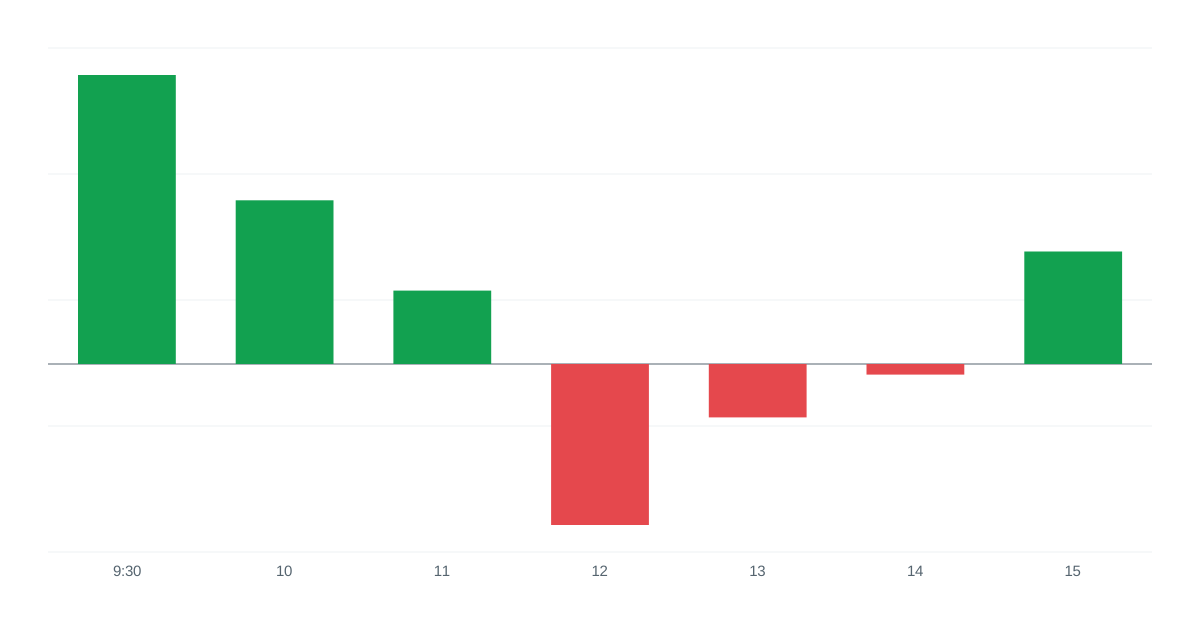
How to analyze your trading results by hour of the day, why most day traders do best in certain windows, and what to do with what you find.
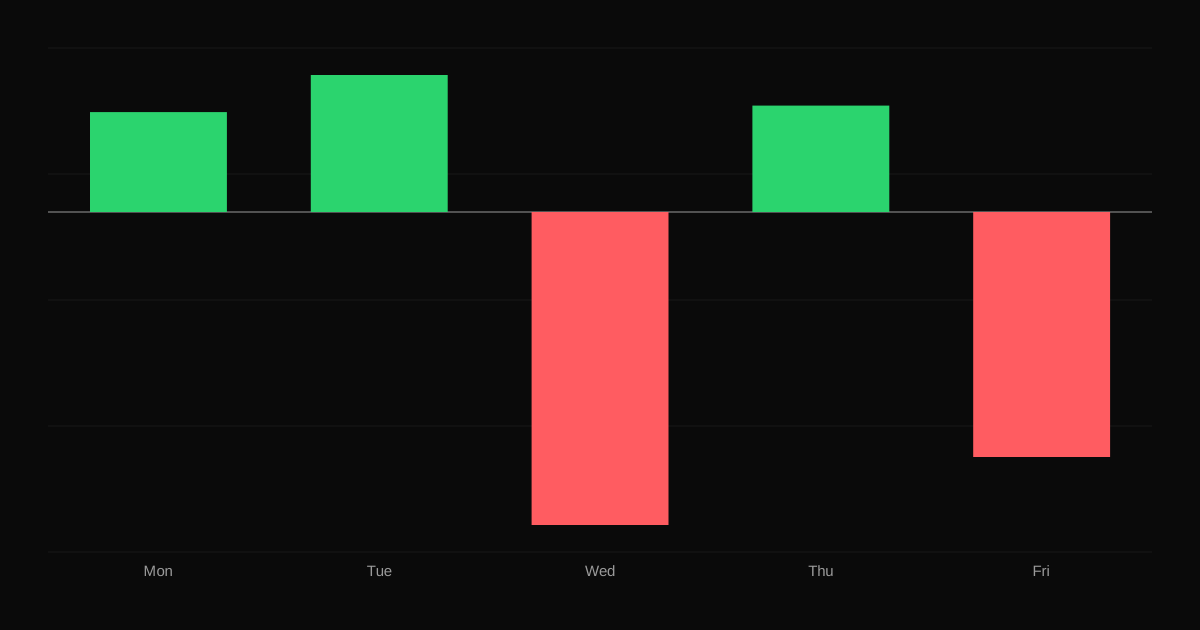
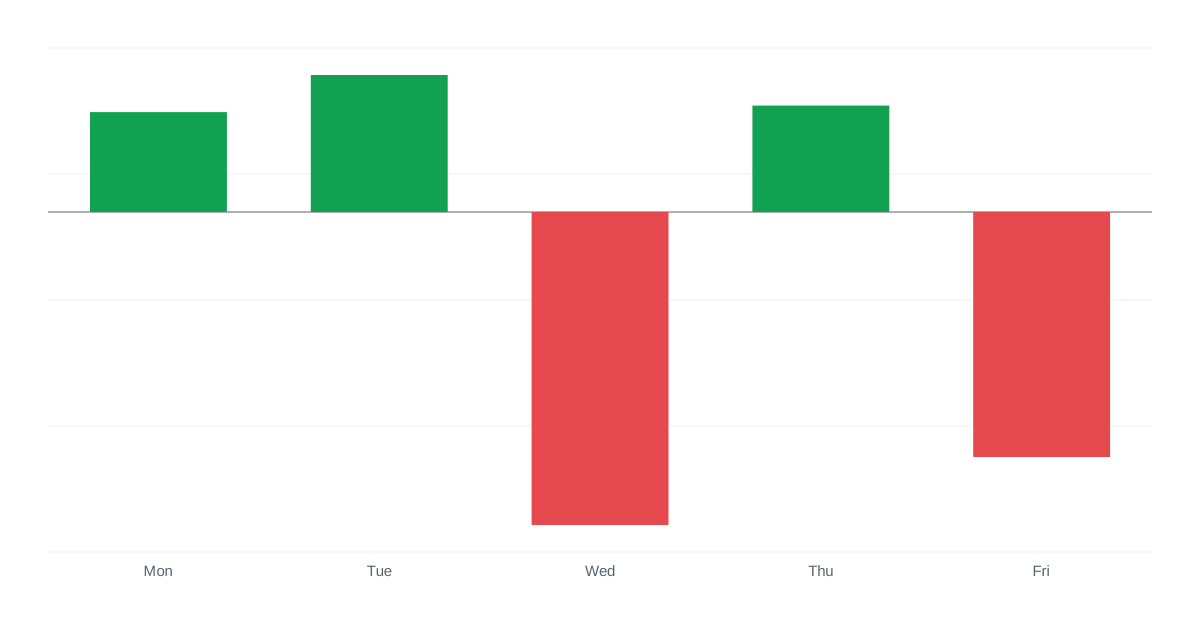
How to analyze your trading results by weekday, the common patterns traders find, and how to use them without overfitting.